fbpx
Home Blog Page 47

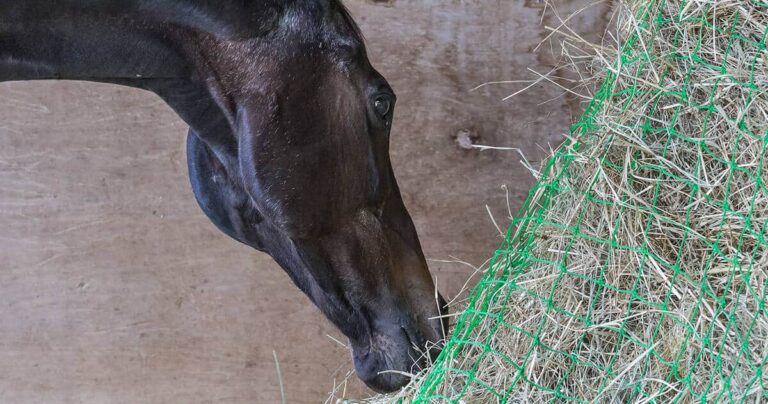
Taking the Guesswork Out of Choosing Hay: Part 4 Choosing the right hay for your horse

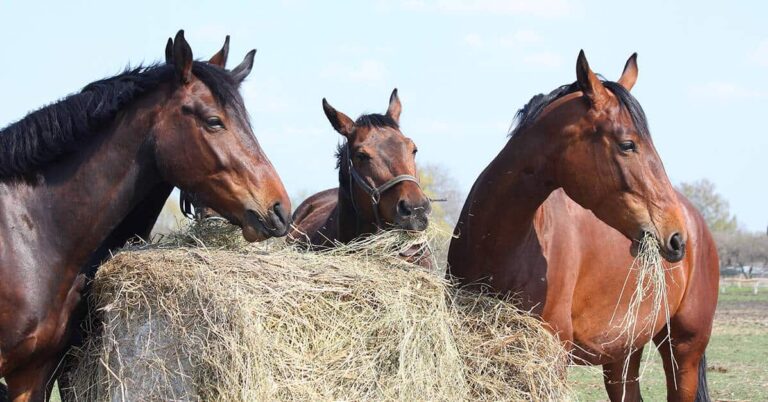
Choosing hay for horses.

In the previous edition we presented an example of forage testing of four types of hays and reviewed the results of the laboratory analysis.

In this last part of the series about choosing the right forage for your horse, we continue interpreting the analysis results and discussing which of the forage types would be suitable for different types of horses including performance breeding and growing horses, as well as those that are sugar-sensitive or have metabolic disorders such as laminitis, insulin resistance (IR), tying-up, Cushing’s disease or Equine Metabolic Syndrome (EMS).

If you have not followed this series, we suggest that you read the previous articles online for more detailed information about feed properties and nutrient analysis of forages.

Nutrient requirements of horses

Nutrition starts with evaluating the nutrient requirements of your horses. Too often we see horse owners who copy feeding regimes (including feed products and quantities) from other horse owners without reviewing their horses’ needs and resource availability. In addition, many owners tend to over- or underestimate the amount of exercise or the “performance” level of their horses.

The nutrient requirements of horses result from 50 years of research on equine nutrition and feeding. So far, the National Research Council (NRC) has published five editions of the Nutrient Requirement of Horses. The sixth edition was published in 2007 and contains not only information about requirements but also information on feed products, feed processing and the feeding behaviour of horses.

Horses play an important role in human society and are used for various types of work, such as recreational purposes, sport (e.g. racing, polo, Olympic events), exhibitions, breeding, farm work and even therapy. The type of use, age and physiological state all affects the nutrient requirements of horses. The NRC provides us with a breakdown of nutrients requirements for the different classes and guidelines for estimating the workload of exercising horses.

For example a non-working (mature) horse requires 2% of its body weight in total feed per day (dry matter basis), 13-15 MJ Digestible Energy per 100 kg body weight (BW), 110-145 g crude protein per 100 kg BW and between 5-6 g Lysine per 100 kg BW.

A horse that is exercised at a moderate level (3-5 hours per week; 30% walk, 55% trot, 10% canter and 5% skilled work) requires 2.25% of the body weight in total feed per day (dry matter basis), 19-21 MJ Digestible Energy per 100 kg BW, 145-155 g crude protein per 100 kg BW and between 6.5-7 g Lysine per 100 kg BW.

When we are dealing with breeding, lactating and growing animals, the requirements will significantly increase for growth and milk production.

For example: a broodmare at early lactation (1-3 months) will require 2.5-3% of body weight in total feed per day (dry matter basis), 25-29 MJ Digestible Energy per 100 kg BW, 280-310 g crude protein per 100 kg BW and between 16-17 g Lysine per 100 kg BW.

The nutrient requirements will determine which types of feeds will be appropriate to cover these nutritional needs.

Horses that are not working require less energy and protein and can receive lower quality products compared to those that do considerable exercise, are breeding, lactating, or growing.

Feed properties of forages

The next step is evaluating the nutrient composition of your feed products. In this case we are only focussing on forages, but it is the same procedure when selecting concentrates or other feed products for your horses.

Lucerne hay

If we look at the four forages we tested we can see that Lucerne is a product that is high in crude protein, lysine and calcium.

Lucerne hay or chaff is commonly fed to all classes of horses, but suits in particular those horses with higher energy, protein and lysine requirements such as performance, breeding, lactating and growing horses. It is also popular in areas where the prevalent pasture species contain high levels of oxalates that bind calcium.

Cereal hay

Cereal chaff and hay such as barley, wheat and oaten are frequently added to the rations of horses to increase the “fibre” bulk or concentrate meals. Chaffs in particular are very popular here in Australia.

In our example the wheaten hay has a slightly higher energy and protein content than the grass hays. It is lower in Acid Detergent Fibre (ADF) and Neutral Detergent Fibre (NDF) compared to the grass hay samples we tested, but has the highest values in the digestible carbohydrates part – Ethanol Soluble Carbohydrates (EWS) and Water Soluble Carbohydrates (WSC). This means that this product wouldn’t be the best choice for sugar- sensitive horses, especially when fed in large quantities.

Grass hay

Grass hay is universally fed to horses and comes in a wide range of varieties. As you can understand, the properties of the hay will depend on the geographical location and pasture species that were harvested.

In our example we tested two types of grass hay harvested in the South East Queensland region; an improved tropical grass (C4) hay (containing 95% Gatton/Green Panic and 5% Rhodes) and a mixed native pasture hay.

The native hay was a blend of temperate (C3) and tropical (C4) grass species and consisted of 60-70% native species such as Queensland blue grass, windmill grass and slender rats tail or native Parramatta grass, with 30-40% improved pasture species such as Gatton/Green panic, Rhodes grass and ryegrass.

The laboratory tests showed that our grass hays have higher values for NDF and ADF (the less digestible structural carbohydrates or fibre in the forage) which results in a lower digestible energy value compared to the other forages.

We also know that these grasses were cut at a mature stage and, with maturing, more stem is developed, which means a higher ADF value. When the grass is harvested at an earlier stage (before seeding) you would expect to obtain a hay with less fibre and higher feed quality.

The native hay shows the lowest values for the digestible carbohydrates (EWS and WSC), although there is not much difference between it and the Gatton/Green Panic hay. When grasses mature the digestible carbohydrate content reduces.

When comparing other nutrients, it shows that the mixed native hay has slightly higher values for some minerals and trace minerals.

Feeding performance, breeding and growing horses

These types of horses have higher nutrient requirements – energy, protein, lysine, vitamins and minerals, so we need to select forages that could cover these needs.

During the breeding season (spring and summer) there will be more pasture availability (growing season) – so benefiting from your fresh grass is very important. Fresh grass in the growing season will be higher in nutrients compared to conserved forages and could provide all the necessary nutrients for these types of horses.

If however, performance, breeding, lactating and growing horses cannot be fully maintained in good condition on pasture alone, additional feed needs to be supplied.

Pasture availability will depend on a number of factors, such as stock density, pasture management, season and weather, so reduced availability is very common. This is why many horse owners rely periodically or all-year round on hand feeding. In this case, conserved forages such as lucerne, cereal and grass hay could all be offered to these classes of horses.

As mentioned earlier, lucerne and/or other legume forages (clover, pinto peanut etc.) can provide quality protein and lysine, and are very suitable for performance, breeding, and growing horses.

It is, however, advisable to provide a variety of forages, because feeds that are too rich (high in nitrogen) can bring on satiation and can also cause digestive problems. In nature horses will seek and eat a large variety of vegetation, so it is healthier and safer to offer more than one option.

Feeding sugar-sensitive horses

Selecting appropriate forages and feeds for horses that are sugar-sensitive or have metabolic disorders such as laminitis, insulin resistance, tying up and obesity can be quite difficult. It get’s even more complex when these horses also perform at a considerable level.

Managing these horses on pasture can be tricky due to variability of digestible carbohydrate content of grasses. It requires integrated pasture and horse management.

Usually we see horses being restricted to pasture for certain times of the day or fully maintained in sacrifice areas and/or stabled. This means that there is a heavy reliance on hand feeding.

For this group of horses it is essential to analyse your forages to make sure you get a complete picture of the carbohydrate composition. You also need to review the feed labels of additional products you may be using so you can evaluate the carbohydrates in the total ration.

In general, cereal hay/chaff would not be the best choice for sugar-sensitive horses as they can contain high levels of digestible carbohydrates. Lucerne would be a better choice because it is lower in digestible carbohydrates compared to cereal hay/chaff  – but care should be taken that you are not overfeeding your horse.

Generally a combination with grass hay (cut at a mature stage) could be a good option. In particular, combining with mixed hays that have a higher percentage of native grass species (as our example). Native grasses and mature grasses are typically lower in digestible carbohydrates.  However, there are many factors that will influence this, so even though you have native grasses or bought native grass hay – analyse your forages to be sure.

If horses fully rely on hand feeding, you may have to add some other products to increase the fibre intake. There are a number of alternative (low GI) fibre products that can be incorporated in the diet of sugar-sensitive horses such as beet pulp, copra meal, legume/seed hulls and tree/shrub fodder. Always review the labels or take a sample for analysis.

The wrap up

It is important to take into account both the nutrient requirements of your horse and the nutrient composition of forages when selecting roughage sources.

Other factors will also influence your choice, for example the availability of these roughages in your region, the price, your budget, and the palatability of the feed.

We also need to take into account that the nutrient composition in plants is influenced by environmental conditions and so the time when forages are cut is essential.

Whether you are buying hay or making your own, you will benefit from testing your forages for better feed efficiency and to safeguard the health of your horses.

An equine nutritionist is qualified to help you review the analysis and your horse’s diet as a whole, and assist you in the decision-making process when it comes to selecting forages and alternative products that could be incorporated in the diet to meet the individual needs of all your horses.

[wpdm_package id=52440 template=”link-template-button.php”]
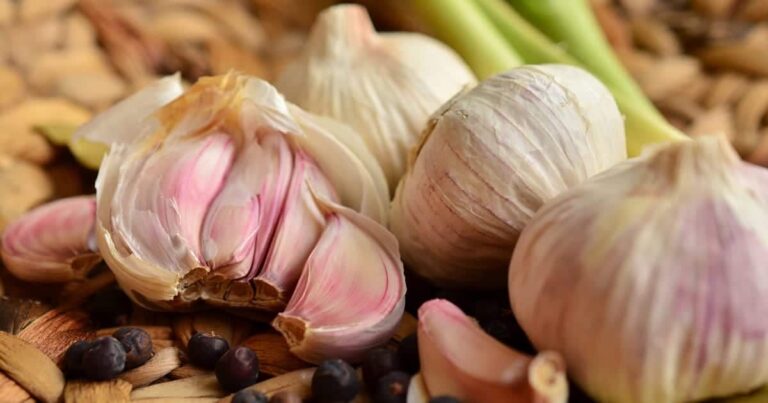
Garlic

0

Garlic

Biological Name:

Allium sativum

Parts used:

Bulb and the top when fresh

Contains:

ajoene, allicin, alliin, alliinase, allylpropyl disulphide, biotin, calcium, carbohydrates, citral, cobalt, copper, diallyldisulphide, diallyl trisulphide, enzymes, essential oil, fats, fibre, flavonoids, geraniol, germanium, glucokinins, iodine, linalool, magnesium, phellandrene, phosphorus, potassium, protein, scordinins, selenium (except in deficient areas), sulphurcompounds, vitamins A, B, C, E, volatile oils (rich) and zinc.

Reported actions of Garlic:

alterative, amoebicidal, antibiotic, antidiabetic, anthelmintic, antimicrobial, antiparasitic, antifungal, antimicrobial, antiseptic, antispasmodic, antipathogenic, antiallergic, anticoagulant, antihistamine, antioxidant, antitoxic, antiviral, bactericidal, carminative, cholagogue, decongestant, depurative, diaphoretic, diuretic, expectorant, febrifuge, fungicidal, immuno-stimulating, microbial, parasiticide, stimulant, and vasodilitating.

Garlic may assist with:

skin conditions, strengthening the respiratory system, promoting digestion, supporting the circulatory and lymphatic systems, protecting against infectious organisms, like viruses, bacteria, fungi and yeast infections, encouraging circulation, and stimulating the immune system. Garlic can promote the activity of the excretory organs. Garlic has been used to repel hook, pin, tape and round worms internally and insects externally. If it is fed regularly it can assist in keeping intestinal worms at bay. Tail rubbing can be an indicator of pin worms, so feed them some garlic if this is evident. The sweat produced by horses fed garlic has an odour that can keep flies and biting insects at bay. Garlic should not replace the use of regular wormers.

Precautions:

Has been known to irritate the stomach and can be a skin irritant to some. Recommend removing from diet periodically to avoid causing an imbalance in intestinal gut flora (good bugs present in the gut to aid digestion); in excess it can irritate the gut and cause anaemia. Garlic can over load the liver when given in large doses. Care should be taken if you are feeding garlic to a nursing mare as it may taint and come through the milk. This may also upset the delicate digestive system of young foals and bring on colic.

Herbal supplements should not replace good management and this article is not intended as veterinary advice. We encourage you to make health care decisions for your horse based upon your own research and in partnership with a qualified veterinarian.


[wpdm_package id=4169 template=”link-template-button.php”]


Recommended Reading:

Herbal Horse Health: Horse Health Wisdom

Taking the Guesswork Out of Choosing Hay: Part 3 Hay Testing

Hay testing

With thanks to SGS Agriculture & Food Laboratories for providing the analysis specifically for this series.

Conserved forages can comprise a large part of the diet of horses; therefore, it is important to review the type and quality of all the roughage we are feeding. Last month, we provided a summary of the roughage sources that are available to horse owners such as hay, chaff, haylage, hay cubes and super fibres.

The type of roughage most suitable for your horse will depend on your horse’s nutritional requirements, the availability of roughage products in your area and the nutritive value of roughage.

In order to predict how well a particular forage will meet the needs of an individual animal, roughages need to be analytically-tested by a specialist laboratory. In the first article of this series, Feed Properties, we highlighted the importance of obtaining the following values: dry matter (DM), digestible energy (DE), crude protein (CP), carbohydrate composition and mineral content.

Hay testing

For this and next month’s articles, we collected and analysed four types of hay – two different types of grass hay, a cereal hay and prime lucerne.

This article will focus on reviewing the results of the laboratory analysis and, based on these results, next month’s article will discuss which of the forage types would be more suitable for different types of horses, performance, breeding and growing horses, as well as those that are sugar-sensitive or have metabolic disorders, such as Laminitis, insulin resistance (IR), tying-up, Cushing’s disease or Equine Metabolic Syndrome (EMS).

Hay samples

The forages we sent in for testing to the SGS laboratory were all grown and harvested in 2013 in the South East Queensland region.

1st Batch: The first batch of hay we tested was a mixed native pasture hay baled especially for horses. It consisted of 60-70% native species, such as Queensland blue grass, windmill grass and slender rats tail or native Parramatta grass, with 40-30% improved pasture species, such as Gatton/Green panic, Rhodes grass and ryegrass.

2nd Batch: The Gatton/Green panic hay we tested comprised 95% panic grasses with some Rhodes grass.

3rd Batch: We also chose a cereal (wheat) hay that was available at a local produce store and is commonly fed in chaff form to horses.

4th Batch: The last batch of hay we tested was ‘prime lucerne’ harvested in the same local area.

In order to have your hay analysed, you need to collect samples that represent the whole batch and cut enough hay into suitably sizez pieces for the laboratory to work with. Usually, the laboratories that offer hay testing provide you with a kit and instructions on how to collect the samples.

The general advice is to use a hay probe that drills deep into the bale and cuts the hay into large chaff size pieces. You should collect samples from between 10 and 20 bales (depending on how many bales you have available).

It is important that you probe each square bale in the centre of the small end between the strings. With large round bales you could take two samples, one from each end of the side.

The samples from the different bales should be thoroughly mixed and divided into two clearly labelled plastic ziplock bags, each sample bag weighing approximately 100 grams. This can then be mailed to the laboratory.

In our case, the samples were analysed at the SGS Agriculture & Food laboratory in Toowoomba, Queensland (www.sgs.com.au).

Test results

The results of the nutrient analysis of the four types of hay are detailed in Table 1 on the next page (see the complete article by clicking the main image).

Laboratories will usually report the results based on dry matter. Transforming the dry matter value to an “as fed’”or “as received’”value is quite easy and a lot more practical.

All feedstuffs and forages contain water (moisture). This also includes hay and silage, and the content in the various feeds and forages can vary tremendously. Nutrient analyses expressed as “as fed” or “as received” include this water component. As the water content increases in a feedstuff, the amounts of other nutrients present per kilogram of that feedstuff decrease. In contrast, feed and forage nutrient analyses expressed as “dry matter” represent the percentages of nutrients present excluding the water or moisture content.

Lets take our native hay for example:

If we have 63 g/kg of crude protein (CP) on a dry matter basis, then we have to multiply that by the dry matter expressed in the result – in this case 0.841 (84.1% dry matter/100%). The result is 53 g/kg on an “as fed” basis. This means that if you feed 1 kg of this native hay to your horse, it receives about 53 grams of crude protein.

Dry matter content of a feedstuff is important because it reveals the actual amounts of the various nutrients available to the animal consuming the feed. “As fed” represents the feed or forage as it is fed to the animal, including the moisture content. It is still important to remember, however, that this will not provide a good indication of the nutrient composition of the non-water feed components, particularly when the moisture content is high.

Reviewing the nutrient  content of the forages tested

Energy & protein

Energy and protein are usually the first two major constituents we look at. As you can see, grass hays are slightly lower in energy and protein than the cereal and lucerne hays.

Lysine

Lysine is one of the 20 amino acids essential to horses, but is often the most deficient in their diets due to its inadequate levels in commonly-fed cereal grains. Amino acids are the building blocks of protein, which form muscle, enzymes, and hormones throughout the body. As you can see, although feed products will differ in the composition of amino acids, those that are higher in protein, such as lucerne hay (legume forages) will also contain more of these amino acid building blocks.

Fats

Although grasses and hay contain low levels of fats and/or oils, most of the fat is made up of omega-3 fatty acids. The forages we analysed all have similar quantities of between 14 and 16 grams per kilogram of dry matter.

Fibre

As nutritionists, we always highlight that fibre is the most important ingredient in the horse’s diet, so let’s review the fibre content of these four different forages.

Acid Detergent Fibre (ADF) & Neutral Detergent Fibre (NDF)

Acid Detergent Fibre (ADF) and Neutral Detergent Fibre (NDF) provide empirical estimates of the less digestible structural carbohydrates (fibre) in forages.

Of the two, ADF is the least digestible plant component and consists mainly of cellulose and lignin with small amounts of nitrogen and minerals. The NDF fraction includes the hemicelluloses in addition to the ADF component of plant tissue. Lignin is the highly indigestible faction of forages and other roughages.

As you can see, the NDF fraction is higher in the grass hays compared to the cereal and lucerne hays. ADF is also higher for the grass hays compared to the cereal hay, but appears to be similar to the lucerne hay. The lignin content of the lucerne hay is lower than that of the grass hays.

ADF values are inversely related to digestibility, so forages with low ADF concentrations are usually higher in energy. When evaluating the digestible energy, it is important to also take into account the crude protein and total NDF content. In this case, the lucerne hay may have been cut at a more mature stage – it had a higher ADF. You would find lower ADF levels with earlier cut forages.

Non-structural carbohydrates (NSC)

The non-structural carbohydrate (NSC) fraction has been the main focus when reviewing digestible carbohydrates and simple sugars in horse forages and feeds. This part of the analysis will be of particular interest to those horse owners that manage horses that are sugar-sensitive or have metabolic disorders.

Although NSC always gets a mention when talking about sugar-sensitive horses, it is actually not the best measure to evaluate the carbs in your horse’s diet.

One major reason is the large variation in the way different laboratories measure NSC components and calculate its value, which makes it impossible to compare results. Another is that an NSC value doesn’t provide you with the complete picture of the types of carbohydrates in the feed or forage, and how they affect the horse’s particular condition.

NSC values are usually calculated as water-soluble carbohydrates (WSC) + starch, or ethanol-soluble carbohydrates (ESC) + starch. They include nearly all the non-fibre carbohydrates that originate from the plant cell content and are easily digested.

Some carbohydrates though are digested in the small intestine of the horse (the so-called hydrolysable carbohydrates; CHO-H), whereas others pass on to the hindgut (the so-called rapidly fermentable carbohydrates; CHO-FR)1.

Thus, they affect the horse’s blood sugar and gastrointestinal health differently. This is why it is important to evaluate them separately. (Read Part 1 of the Choosing Hay series, Feed Properties, for a more detailed breakdown of the indigestible and digestible carbohydrates, and how they affect digestion).

Water-soluble carbohydrates (WSC) & ethanol-soluble carbohydrates (ESC)

By reviewing the WSC and ESC fractions instead of the NSC, we get a more complete picture of the digestible carbohydrates and simple sugars, and how they will affect the horse’s metabolic and digestive systems.

WSC – these include carbohydrates that are extracted from a sample by dissolving them in water. This measure is made up of simple sugars and fructans, and are sometimes simply termed “sugar”.

Interpreting and using this value depends on the proportions of sugars and fructans in the sample:

  • Simple sugars are digested and absorbed in the small intestine and have a significant impact on blood sugar levels (what’s called the glycemic response);
  • while fructans are fermented in the large intestine and induce a much smaller response. When eaten in large amounts though, some fructans have been shown to cause Laminitis due to the disruption of the bacterial population in the large intestine. Fructans are rarely analysed separately from other WSC.

ESC – these carbohydrates are soluble in 80% ethanol. They are a subset of WSC that is primarily digestible in the small intestine and includes much fewer fructans. As such, this fraction is generally used to evaluate one set of carbohydrates in a feed that will induce a high glycemic response.

Starch

In this exercise we did not analyse for starch because the starch content of forages is low, so this analysis is generally only done in grain products and commercial feeds.

Starch is made up of many glucose molecules with starches being mostly broken down to single glucose molecules. This means they also induce a high glycemic response. As mentioned earlier, NSC values have been calculated by adding starch to either WSC or ESC.

So what does all this mean?

If you have low values of ESC and starch, there will be little glucose available to be absorbed from the small intestine and hence a lower glycemic response (what is commonly referred to as a low GI food). This is good for those horses that can’t handle large amount of sugars (e.g. insulin-resistant horses).

If we have low WSC and starch then only small amounts of material will reach the large intestine that will be rapidly fermented. There will be less opportunity for large intestinal disturbance. These feeds would be good for laminitic horses.

As you can see from our analysis results, the native pasture hay mix has the lower values for both ESC and WSC compared to the other forages. The cereal hay has significantly higher values.

Nothing comes without a disclaimer though, and so it should be noted that the CHO-H fraction that is normally digested in the small intestine can actually end up in the hindgut of the horse, where it will be rapidly fermented (with the associated risk of Laminitis and Colic). This will depend on the digestibility and the quantity of feed ingested in a single meal.

This is why it is not only important to analyse the feed (and/or review labels), but also thoroughly review the horse’s complete feed ration formulation, and feed appropriate amounts per meal to reduce potential upset in the hindgut.

It’s all in the interpretation

Despite all we know, one of the main problems facing horse owners is determining what are actually low or high carb values. Unfortunately, there is no standardisation across the industry (in Australia and internationally). As mentioned earlier, this is partly due to the significant variations in the way different laboratories measure non-fibre carbohydrate components and calculate its value. Researchers have suggested that complete rations (hay, grain and supplements) should contain less than 12 and 10% NSC for horses affected with Laminitis2 and some forms of tying up3, respectively.

As a response to the need for lower NSC feed products, organisations such as the Laminitis Trust have emerged to advise on “safe” levels in horse feed products, as well as feeding guidelines for metabolically-challenged horses. However, for the many horse owners that manage sugar-sensitive horses or horses with metabolic disorders, this whole NSC dilemma remains quite complicated, especially when there are so many (commercial) products out there.

It is, therefore, advised to consult with an equine nutritionist to review the hay testing analysis and your horse’s diet as a whole, so they can assist you in the decision-making process when it comes to selecting forages and alternative products that could be incorporated in the diet to meet the individual needs of all your horses.

Next month, we will continue by discussing which type of hay would be more suitable for metabolically-challenged horses, as well as the forages that are more appropriate for performance, breeding and growing horses.


References

1. Hoffman, R.M., Wilson, J.A., Kronfeld, D.S. et al. 2001. Hydrolyzable carbohydrates in pasture, hay, and horse feeds: direct assay and seasonal variation. Journal of Animal Science; 79: 500-506.

2. Frank N. 2009. Insulin resistance and equine metabolic syndrome. In Current Therapy in Equine Medicine. Eds. NE Robinson and KA Sprayberry. Elsevier Publications; 727-740.

3. Borgia L, Valberg SJ, Watts K, Pagan J. 2009. Glycemic/insulemic response to feeding hay with different water soluble carbohydrate content in healthy and Polysaccharide Storage Myopathy-affected horses. Journal of Equine Veterinary Science; 29(5): 355-357.

[wpdm_package id=52438 template=”link-template-button.php”]

Taking the Guesswork Out of Choosing Hay: Part 2 Choosing Roughage

Choosing quality roughage.

Managing your pastures to provide enough forage for your horses would be ideal; however, in reality not many horse owners have the capacity to maintain horses on pasture as well as harvesting roughage/hay to preserve for lesser times in the year.

Moreover, in parts of Australia, the conditions are not favourable for growing enough fresh grass or forages. This means that you have to shop around for your roughage. In this article of our series of forage diets for horses, we discuss the selection and use of various types of roughage, and the importance of quality versus quantity.

An essential part of the diet

We have already pointed out that fibre and forages are important to horse diets. Horses must consume forages regularly to maintain proper digestive function. At least 50% of the diet of the horse must be in the form of fresh, growing grasses or browse or dry/moist ensiled hay or chaff.1

Identifying the quality of roughage and using it effectively is one of the biggest challenges that horse owners face when selecting roughages. Many horse owners select roughage without evaluating if it is suitable for their particular horses.

In particular, owners tend to rely on large amounts of lucerne as a main roughage ingredient without having a good look at their horses’ genuine nutritional needs.

Quality of roughage versus quantity of roughage

One of the first questions we must ask is: ‘What defines the quality of roughage?’

Characteristics such as nutrient profile, digestibility, leaf-to-stem ratio, smell and appearance, cleanliness (free of toxic weeds, dirt, and trash), and natural colour determine the condition of the roughage.1

When we talk about the quality of roughage, we refer primarily to its nutritional value (energy, protein, soluble sugar) and digestibility. Nutritive value and digestibility are affected by maturity and harvest time. When forages are cut at a mature growing stage, the roughage is very ‘stemmy’, which makes it less digestible and nutritious due to the higher levels of less-digestible crude fibre and lignin.2 Higher quality roughage is finely stemmed, soft, and leafy, and is more readily digestible. Interestingly, high-nutrient-quality roughage can be as unfavourable as poor-nutrient-quality roughage — depending on which nutrient requirement perspective you take.

For our working, breeding, and growing horses, we tend to provide high-quality forages to meet their elevated nutrient requirements. But for horses that are not working, are easy keepers, are obese, or are sensitive to developing laminitis, we might select poorer-quality forages.3

If we consider the evolution of the horse, we find that horses have developed a feeding strategy whereby they consume large quantities of poor quality forages (low energy and high fibre).2,4 So, from an evolutionary point of view, poor quality forages that provide lower energy, some protein, and high fibre (structural carbohydrates) are not a bad choice. While studies report that high amounts of poor quality roughage can increase the chances of impaction colic in horses, this is likely to be associated with feeding mismanagement rather than the nutrient quality of the roughage itself.2

As soon as our horses are working, breeding, and growing, the nutritional quality of their roughage needs to improve to meet their daily needs.5

High-quality roughages tend to have a higher energy and protein content compared to lower-quality roughages. Depending on the type of high-quality roughage, they also can contain higher levels of vitamins and minerals.1

The production process

Hay and chaff

Producing hay is dependent on weather conditions, because hay is cut and left in the field to dry out in the sun. The temperature, wind speed, and sunshine level determine the speed of the drying process.

Hay must be turned regularly – at least once a day – to make sure that it dries evenly, otherwise parts of the hay remain wet. Hay with too high a moisture content, and which is baled, can start to ferment in the centre of the bale. This produces heat and causes damage from bacterial breakdown and moulds. These bacteria and fungi can produce mycotoxins that are harmful for horses.2,5

Chaff is finely chopped cereal or legume hay; most common chaffs are wheaten, oaten, and lucerne chaffs. Most of the chaffs are added to the concentrate/grain ration to increase fibre intake and chewing behaviour in horses.1 Chaffs can be dried under controlled conditions (part of their processing) before being bagged.

Haylage and silage

Haylage is made from the same pasture grasses or legumes as hay, but instead of being allowed to dry out completely, it is baled when the moisture content is still relatively high (about 45–50%).2 It is wrapped in multiple layers of plastic to exclude all air from the bale and to allow a mild fermentation process using fungi and acid-producing bacteria. The bales are preserved for one week or more before they can be safely fed to horses.

Silage is when the hay undergoes a more complete fermentation process. Silage can be made from a variety of crops, such as corn, oats, and pasture grasses. The moisture content of silage varies from 60–80%.2,5

Silage is primarily fed to dairy and other cattle. It has an acidic smell, and horses tend to readily consume it. For horses, silage must have a green to yellowish colour and a pleasant acidic smell; very dark green or brown silage that is too dry or too wet is not suitable for horses.2 Silage must not be fed in large amounts to horses because it can cause digestive disturbance.

Because of their higher moisture content, both haylage and silage can be good feed products for horses that are sensitive to dust in hay. Studies have shown that they can reduce respiratory allergies in those horses.

Hay cubes

Hay cubes are made by compressing hay into small square blocks or pellets (5-4 square centimetres). Most hay cubes are made from lucerne or meadow hay.

Cubes can be used effectively when certain classes of horses need supplemented feed or when conditions are less than ideal for feeding grain mixes.

It has been reported that horses may choke on the cubes; therefore, it is important to dampen the cubes prior to feeding if your horse tends to eat quickly.

What is the best roughage for my horse?

You can choose from many varieties of roughage. Local availability influences the popularity of a particular variety of hay in any geographical area. In Australia, lucerne hay/chaff tends to be the most popular.

Grass hay

Grass hays can contain a mixture of grasses that vary in their nutritive value and palatability, depending on the plant varieties, growing site, and stage of maturity at harvest time.

Nutrient levels vary greatly between batches, and the only way to accurately assess this is by conducting a proper analysis.

In general terms however, grass hays generally have a lower energy, protein, and higher fibre content than good-quality legumes.

Top-quality grass hays can contain as much as 15% protein, whereas average hay has a protein content closer to 8% or less.2,5 In Australia, we can find a variety of grass hays and small-grain hays such as cereal hay/chaff (oaten, wheaten, millet), meadow hay, clover hay, timothy hay, tall fescue hay, Rhodes hay, and others.

When selecting a hay variety, you should review the nutritive value (see table 1). In particular, analyse the NSC content (fructan, starch) of hays to determine if they are suitable for horses with a metabolic disorder such as Cushing’s disease, insulin resistance, obesity, or laminitis.3

Legume roughage

Legume roughage includes lucerne and clover. Lucerne hay/chaff is most used in horse feeding. The nutrient quality of lucerne hay depends on its maturity at harvest (table 1).

The highest quality lucerne comes from the cut plant before it becomes overly mature.2 Lucerne hay products generally cost more than grass hays per kilogram of dry matter, but per kilogram, crude protein basis, lucerne may actually be cheaper than grass hays.

Horse owners like to feed lucerne to horses because they usually eat it readily and it can supplement poor pastures. All horses, but particularly working, growing, breeding — and even older horses — can benefit from the high nutrient content. In practice, the majority of nutritional diet analyses show that horses are overfed protein and/or energy, which is mostly due to their consumption of large amounts of high-quality roughage. Therefore, we suggest that you assess the nutritional needs of your particular horse.

A combination of grass hay and lucerne hay is a good management practice for most studs and horse facilities.

Other types of hay

Other types of roughage can be straw, hulls, browse, or other fibre foods.1,2,5 These are not used as a full replacement of traditional roughages, but as a supplement to the diet to increase fibre intake. In drought season, grass and lucerne hays can become more expensive or even unavailable. Some of these products can be added to the diet to provide enough fibre.

Oat and wheat straws are low in palatability and feeding value for horses. Ponies have been shown to maintain body weight when more than 50% of their diet comprises straw; however, we recommend no more than 10% of the diet as straw, because it can reduce energy content and digestibility.2

The most common hulls and seed coats used are oats, rice, sunflower seeds, and soy beans.1 These are low in energy and high in fibre. You can add them to the concentrate/grain mix to replace cereal chaff. Hulls and seed coats can be dusty – so dampen the products prior to feeding.

Using various types of fodder from trees and shrubs can also increase the roughage intake of horses. In the previous section, we offered more information about the use of forage trees and shrubs for this purpose.

Other fibre sources that you can feed to horses include copra meal, rice bran, and beet pulp. These products are mixed into the feed ration of your horse and should not be fed by themselves to replace roughage. Check the nutrient profile of these products before using, because they vary in energy, protein, fat, and NSC levels.

Alternative forages

Trees and shrubs can potentially supplement the quantity and quality of pastures for grazing horses and reduce feeding cost of roughage. They can function as a substitute when there is seasonal shortage or risk of drought.

Tree fodder systems also deliver additional benefits such as shelter, soil conservation, rough timber and habitat.

There are various trees and shrubs that been reported to be browsed by horses with no obvious clinical signs of toxicity such as Tagasaste, Kurrajong, Acacia species, Casuarinas, Willow, Carob tree, Moringa tree etc. However, there is limited information about the use of trees and shrub fodder as a feed source for horses. More research is necessary to determine the nutritive value, palatability and if applicable toxicity levels (amount that can be safely fed) of various potential fodder trees and shrubs for horses.

The leaves, stems, pods and fruits of trees and shrubs can be used as a supplement to their other feed. Tree and shrub fodder as a sole diet is not suitable for horses. Moreover, like with many other feed products, gradually introduce you horse to the fodder and don’t over feed.

Forage trees and shrubs must have nutritive value to be useful as forage. The nutritive value of trees and shrubs forage is determined by its ability to provide the nutrient required by an animal to balance requirements. Tree and shrub forage have been primarily used as feed for ruminants, although there are some reports of their inclusion in the diet of non-ruminants (poultry, pigs, and horse). There is not much known about the feeding value and palatability of tree and scrub forage for horses. Most of the reports on plants and trees focus on the toxicity for horses.

When selecting forage trees and shrubs you must take into account that you may find limited information about the use of trees and shrubs for horses, moreover there are many contradictions in the literature regarding the acceptability of fodder from trees and shrubs. This may be explained by the following aspects;

Acceptability can change during the year. Animals may select only young leaves. With maturing of the leave the secondary compounds may increase and animals may not like the taste of the leaves anymore.

In some cases it may take some time for animals to accept a new feed, but once accustomed they may consume it readily.

Preference for one feed over another does not mean that they will not eat it when it is the choice is limited.

Within a single species, differences can exist between varieties, individual trees and even between parts of the same tree. Acceptability can be influenced by climate and soil conditions.

There is limited information about the nutritive value, palatability and toxicity of various parts of plants for horses.

The type of roughage most suitable for your horse depends on your horse’s nutritional requirements, the availability of roughage products in your area, and the nutritive value of roughage. Evaluating your horse’s diet and analysing your hay/roughage will help you to feed your animals more efficiently.

References:

  1. Nutrient Requirements of Horses (NRC). 2007. 6th revised edition. National Academy Press, Washington DC, USA.
  2. Frape, D. 2010. Equine Nutrition & Feeding. Wiley-Blackwell; 4th edition; UK.
  3. Pollitt, C. & Watts, K. 2010. Equine Laminitis: Managing Pasture to Reduce Risk. Rural Industries Research and Development Corporation (RIRDC) publication no:10/063, Australia.
  4. Harris, P.A. 1999. How Understanding the Digestive Process can Help Minimise Digestive Disturbance Due to Diet and Feeding Practices, In: Harris, P.A., Gomarsall, G.M., Davidson H.P.B., Green, R.E. (Eds.), proceedings of the BEVA Specialist Days on Behaviour and Nutrition. Newmarket, Equine Veterinary Journal 45-49.
  5. Lewis, L.D. 1996. Feeding and Care of the Horse. 2nd edition, Lippincott Williams & Wilkins, USA.

[wpdm_package id=52436 template=”link-template-button.php”]


Additional Resources:

Table of Alternative Forages for Horses [wpdm_package id=45280 template=”link-template-button.php”]

Managing and Feeding Horses During Drought

Taking the Guesswork Out of Choosing Hay: Part 1 Feed Properties

In previous articles we have discussed a number of aspects relating to pasture management, and provided an overview of a number of common grass species found in horse pastures in Australia.

In the Pastures for Horses series we touched briefly on non-structural carbohydrates (NSC) in the different species, but many horse owners may be wondering what they actually are, and what part they play in pasture and conserved forages (hay and chaff).

Horse owners may also want to know what other nutrients are available in pasture and conserved forages, and which are suitable for horses with high-energy demands such as breeding, growing and performance horses.

In this 3-Part Series, we will answer those questions, and in particular we will look at laboratory testing of forages (pasture, hay and chaff) to assess their quality and suitability for your horse’s diet.

Graziers and browsers

We know that horses are hindgut-fermenting herbivores adapted to eating a plant-based diet high in fibre. Graziers and browsers are able to survive on a wide range of pastures and forage feeds.

Fresh grasses, browse (plants other than grasses) and conserved forages such as hay and chaff, can cover the nutrient requirements of most horses, and should at the very minimum cover half the diet of horses that receive (cereal based) concentrate feeds.

In reality though, we frequently come across horses that don’t receive an adequate supply of forages (long stem hay or pasture), which can puts them at risk for developing digestive and metabolic disorders (which may present as colic, ulcers, and laminitis).

Although we may think that horses with high energy demands need supplementation with grain or other concentrated feeds, recent studies have shown that a forage-only diet can sustain racehorses (see page 42 of this issue).

This is why it is time that we take a closer look at the nutrient profile of forages.

The need to analyse

When you buy commercial concentrate feeds you will always find the nutrient analysis table printed on the bag; in contrast, and despite the fact that most horses diets comprise mainly of conserved forages, hay and chaff suppliers very rarely supply you with any information of what’s in their bales or chaff bags.

This said, the increased interest in low NSC forages for metabolically challenged horses, is pushing forage companies and suppliers to advertise and provide feed analysis of the forages they sell.

Why test conserved forages?

Regardless if you are dealing with metabolically challenged horses, breeding horses, growing horses, or performing horses, laboratory analysis is the only way to develop an efficient feeding program to reduce costs and/or prevent metabolic disorders.

What about testing pasture?

There is a bit of ambiguity about conducting pasture analysis on horse properties because they only represent a moment in time.

Nevertheless, pasture analysis can be helpful depending on the operation you run, the types of horses you manage, and your personal objectives.

The difficulty lies in that nutrient content in grass plants vary greatly from place to place on the same property and at different times of the year, and is affected by many factors such as soil quality, rainfall, temperature and grazing pressure.

The pasture sample we take in for analysis only provides us with a momentary depiction of what the quality was at the time the sample was taken.

Nevertheless, horse facilities can use the results to build a database of pasture quality from year to year and for different paddocks as a reference.

Testing may also help inform your feed formulation, and you can use the analysis when you want to review your soil improvement and biodiversity strategies over time.

Ultimately though, it remains tricky to really provide an estimation of what your horses are obtaining from the pasture. When at pasture, an individual horse’s intake per day varies, and horses will select a range of plants (not exclusively grasses). Providing the forage availability is adequate, every day they will mix and match different species according to their nutritional status at that time.

Assessing Feed Quality

Analytical testing can be used to predict how well a particular feed will meet the needs of the animal.

The status of the horse (non-working, performance, breeding, growing etc) will off course influence the quantity and quality of feed required to cover the nutrient requirements.

For optimum productivity and irrespective of the animals’ status, nutritionists rely on the following feed properties:

  • Dry matter intake
  • Crude protein content
  • Carbohydrate composition
  • Digestibility
  • Energy yield from the digested feed
  • Mineral and trace element content
  • Vitamin content

Feed properties

Dry matter

Dry matter is the dry weight of pasture or forage after the removal of moisture, and is usually expressed as a percentage (%) of the fresh weight.

The dry matter intake needs of a horse, depends on many variables, including live weight, workload, breeding status, stage of lactation, environmental conditions, feeding history, body condition and the quality of the feed.

The Nutrient Requirements of Horses (NRC, 2007) makes the following recommendations:

Horses in maintenance and light work – 2% of the body weight in dry matter daily.

For horses at maintenance and light work, Moderate exercise – 2.25% of the body weight in dry matter daily and,

for (very) heavy exercise, growing, breeding and lactating horses – 2.5% of the body weight in dry matter daily.

Crude protein

The protein content of the pasture or forage is directly related to the Nitrogen content which varies with growing conditions, plant species, and maturity of the plant. The crude protein (CP) content will decrease with increasing plant maturity. CP requirements are dependent on the live weight and class of horse being fed. For example, a 500 kg horse at maintenance with an average temperament requires about 630 grams CP per day and a lactating mare of the same weight in the second month of lactation requires more then 2 x the amount of maintenance – 1530 grams CP per day.

Plant carbohydrates

Plant carbohydrates can be conveniently classified as structural (cell wall or indigestible) carbohydrates and non-structural (cell contents or digestible) carbohydrates. Digestible carbohydrates are typically processed in the small intestine, whereas indigestible carbohydrates are fermented in the hind gut.

The diagram on the left indicates how plant carbohydrates are partitioned into fibre fractions. This breakdown may look very complicated, but it is vital to the forage analysis, because to get an overall picture of the digestible and indigestible carbohydrates in the forage, the different fractions require analysis.

Non Structural Carbohydrates: The key NSCs in forages are the soluble sugars such as sucrose, glucose, fructose, and starch. Plant soluble sugars fluctuate diurnally as a result of photosynthetic activity with highest levels generally found in the early to mid afternoon period. Typical levels for temperate (C3) grasses can range from 5 to 15 %.

Structural carbohydrates are dominated by cellulose and hemicelluloses. These are polymers that form the basis of fibre in all plant tissue.

The levels of structural carbohydrates increase as the plant matures, with a corresponding decrease in plant digestibility. Cellulose in particular, may become lignified to varying degrees. Lignin, which is not depicted in the figure as it’s not a carbohydrate, can become intimately associated with cell wall carbohydrates, reducing the nutritive value of the forage.

Acid Detergent Fibre (ADF) & Neutral Detergent Fibre (NDF) provide estimates of the less digestible structural carbohydrates in forages.

ADF consists mainly of cellulose and lignin (very undigestible) with small amounts of nitrogen and minerals.

The NDF fraction includes the hemicelluloses in addition to the ADF component of plant tissue. Very high fibre levels slow the rate of digestion and limit dry matter intake, but a certain amount of fibre is required to stimulate digestion by hindgut fermentation.

As you can see in the diagram, some carbohydrates such as pectins, beta-glucans and fructans overlap, ie. they can end up being processed in the hindgut.

Digestibility

Feed digestibility is simply defined as the proportion of forage dry matter able to be digested by the animal. It is largely influenced by the maturity of the plant species, as it declines as the plant matures because of increasing levels of the structural carbohydrates.

Within pastures, the plant species also influences digestibility. For example, lucerne retains a higher leaf:stem ratio with increasing maturity and so maintains a higher digestibility compared with bunch grasses.

When analysing forages, digestibility is measured in two quite distinct procedures:

  • in vivo digestibility – determined directly by animal feeding trials by way of a mass balance from what is consumed, what is digested, and what is excreted.
  • in vitro digestibility – determined by wet chemistry using caecal fluid or purified cellulase enzymes.

In vivo digestibility provides the most meaningful estimate of animal performance, but nowadays, the cost of setting up animal trials for measuring in vivo digestibility, or for providing caecal fluid is prohibitive, thus, most laboratories measure in vitro digestibility by incubating samples with enzyme preparations and use these data to predict in vivo digestibility.

Digestible energy

The apparent digestible energy (DE) content of forages is calculated by subtracting the gross energy in faeces from the gross energy (intake energy) consumed by an animal.

The term ‘apparent’ is used because some of the materials excreted in the faeces do not originate from the feed but from cells in the gastrointestinal tract and digestive secretions.

There are two factors that impact the DE in feeds, which are the gross energy content of the feed and the digestibility of the energy-containing components.

As highlighted above, the most accurate way to estimate DE is by feeding trials but in horses, the numbers of studies that have done this are limited compared with other species such as livestock.

The DE value of feeds varies among species and the Nutrient Requirements of Horses (NRC 2007) has developed equations for estimating the DE content in horse feeds from the chemical composition of the feeds. There are different formulates for dry forages, roughage, pasture and range plants and energy feeds and protein supplements. However, these equations have limitations and cannot accurately predict the DE value of some feeds, so they are less relied upon when formulating a diet.

Minerals and trace-minerals

While minerals only constitute a minor part of the equine diet by weight, they play a critical role in the health of horses.

Minerals are involved in a number of functions in the body, including formation of structural components, enzymatic co-factors, acid-base balance and energy transfer.

Macro-minerals are the minerals that are required in larger amounts. These include Calcium (Ca), Phosphorus (P), Magnesium (Mg), Potassium (K), Sodium (Na), Chloride (Cl) and Sulphur (S).

Trace-minerals or micro-minerals are required in smaller amounts than the macro-minerals but are as essential as the big ones. The group includes Copper (Cu), Cobalt (Co), Zinc (Zn), Manganese (Mn), Selenium (Se), Iodine (I) and Iron (Fe). The most common minerals analysed in forages are Ca, P, Mg, K, Na, Fe, Zn, Cu, and Mn.

As herbivores, horses obtain most their minerals from plants. Plants in turn get their minerals from the soil and fungi association. Fungi play a very important role in transporting minerals and energy through the soil, storage of minerals and energy in living cells and transferring minerals to plants. This means the plant can only be fed when the soil biology and quality is healthy.

Plants will take up the inorganic minerals and convert them in the cells to organic forms that sustain the life of the plant and all the organisms that consume the plant. When a mineral is nutritionally organic, it means that it is chelated or bound to an organic compound such as proteins, polysaccharides, amino or organic acids. Horses ingest most of the minerals in these organic forms.

The mineral requirements of horses depends on the live weight and animal status. For example a 500 kg horse at maintenance requires daily 20 g of Ca, 14 g of P and 100 mg of Cu, whereas a lactating mare of the same weight requires 59 g of Ca, 38 g of P and 125 mg of Cu per day.

Vitamins

Vitamins are classified as either water-soluble (B and C) or fat soluble (A, D, E and K) organic compounds that can be naturally found in small amounts in plant and animal-derived foodstuffs. Organisms require small amounts of vitamins for proper function of the body and any deficiency can leads to metabolic and physical disorders. In an optimal environment horses can obtain most of their vitamins from fresh grass and other plants and in the case of vitamin K and B complex vitamins, additional amounts can be supplied by microbial synthesis in the intestine tract. But when horses are stabled, have limited excess to pasture or are kept on poor quality pastures they generally need some extra vitamins (and minerals). The requirements can also increase when horses are breeding, pregnant, lactating, growing, ageing, exercising or in poor health. When vitamins cannot be synthesized by the body or they cannot be made in adequate amounts, they need be supplied by the diet and/or supplementary sources.

In general vitamins are expensive to analyse in forages/feeds, therefore they are not standard in the forage testing packages. However, on request you could analyse for A, D and E.

The bottom line…

Optimum feeding is a balance between the amount (quantity) of available feed and the quality of that feed.

Analysing forages is indispensable if you want to increase feed efficiency, reduce supplementary feeds/additives and feed costs and prevent metabolic disorders.

Next month we will continue with reviewing the quality of forages and provide an overview of common conserved forages and other (commercial) fibrous sources fed to horses. Then in part 3 we will reveal the results of testing in an Australian laboratory, some different types of hay and chaffs, and how those results would impact the formulation of your horse’s diet.

References:

  1. Frape, D. 2010. Equine Nutrition & Feeding. Wiley-Blackwell; 4th edition; UK.
  2. Hall, M.B, Hoover, W.H., Jennings, J.P. and Webster,T.K.M. 1999. A method for partitioning neutral detergent-soluble carbohydrates. Journal of the Science of Food and Agriculture 79, pp. 2079–2086
  3. Nutrient Requirements of Horses (NRC). 2007. 6th revised edition. National Academy Press, Washington DC, USA.
  4. Van Soest, P.J. 1994. Nutritional ecology of the ruminant. Second edition. Cornell University Press. Ithaca, NY, USA.

[wpdm_package id=52434 template=”link-template-calltoaction3.php”]

Is Your Horse in the Mood to Learn?

Is your horse in the mood to learn?

In an article that foreshadows the science of horsemanship (rather than the science of training alone), researchers from the University of Sydney show why trainers should adjust their techniques to the horse’s mood and emotional state.

Behaviour scientists say that learning processes are universal and just like all beings, horses can be trained, or more precisely they learn to modify their behaviour by three distinct processes: trial and error (operant conditioning); association (classical conditioning); and getting used to things (habituation). They named these the Principles of Learning, or Learning Theory; an apt term because as many horse people will tell you, they may work perfectly in theory, but turn out to be a lot more complex to put into practice.

Read a related article about the horse’s window of tolerance.

Researchers from the University of Sydney however, have taken a definite step towards bridging the gap between the lab and the arena with the recent publication of an article that explains why in real life, training is so complex and the outcomes so variable. They say that if your horse is in the wrong mood, and either too alert or not alert enough, it may not respond to the type of training you are using, even if you are applying it correctly. They are trying to predict why and when this is likely to happen.

The researchers are proposing that a horse’s response to training is a dynamic three dimensional landscape that is influenced by the horse’s emotional state at the time.

Taking into account how the animal ‘feels’ at the time of training may help to explain exactly why a horse works better some days than others, even at a particular time of the day, or why a horse ‘ticks’ with one rider, or under one management system and not another, even if they are under the same training regimes.

Until recently, scientists were not able to measure affective state in animals, but thanks to advances in the area of cognitive bias, they can test and determine what they call ‘emotional valence’ – whether they are in a positive mood or negative one. Cognitive bias testing has now been done in many species, from sheep and dogs to honeybees, to determine where individual animals lie in the optimism to pessimism scale, and the news is that equitation scientists in Switzerland have recently tested horses. Measuring arousal on the other hand is not new. It can be reliably determined by observing behavioural responses (position of the ears and tail, widening of the eyes, movement, etc) and confirmed by taking physiological measurements such as heart rate, cortisol, etc…

Using a very impressive set of 3-D graphs and cool (free) software that allows you to rotate and view from any angle (see http://hdl.handle.net/2123/8989), the article combines the affective and arousal state to provide a framework for predicting how horses in different emotional states will respond to training techniques in the four quadrants of operant conditioning (see the article as it appeared in the July 2013 issue by clicking on the imgage above).

Study author and PhD candidate Melissa Starling admits working in 3-D has been a brain draining experience. “When I started to come up with these graphs, I was giving myself headaches! Trying to follow the four different quadrants as well as the three dimensions was a lot to juggle in my mind, but I cannot simplify it. Training is complex and we have to take into account all the different elements.”

“The bottom line,” she says “is we should look at the animal in front of us and be able to say – if its affective state is there and its arousal there, then what should we do? How should we train each specific task? Instead of looking at an animal and just saying we want it to give ‘this’ response, so let’s make it happen; we should look at it from the perspective of what emotional state we want the animal to be in before we train it. If we do that, we might be getting somewhere”.

Although Starling’s project is mostly about detecting emotional states in dogs, she believes the same can be applied to horses, and with the collaboration of leading equine behaviour scientist Professor Paul McGreevy, the study includes two scenarios that are common in horse training; teaching the horse to target, and teaching it to go forward from a rider’s leg aid. The idea behind including graphs for horses was to develop a model that will encourage equitation scientists worldwide to experiment and test the theory proposed, to see if it is actually true.

Professor McGreevy who will be presenting this concept in a plenary at the upcoming Equitation Science Conference in Delaware, USA on the 19th July, noted that the current article offers only a conceptual approach to how different training techniques interact with affective state and arousal: “The challenge is to start populating the graphs with more data. First to develop a standardised test to determine a horse’s affective state at the time, and then compare different horses and even the same horses under different management, because as we manage them better, we should expect to see their emotional state improve. The future should see us developing measures of affective state and arousal and then moving from the conceptual landscapes to validated models, ideally for each horse and discipline, at every stage of training”.

Starling hopes that objectively measured, affective and arousal state can add information to the complex mix of interacting elements that affect training outcomes, and there are many other aspects that can be added to the mix: “Some scientists are already looking at the influence on behaviour based on laterality, or hair whorls, or height at the withers. By adding more and more objective measures, we may find that behaviour is not quite as chaotic as we thought, and not as variable. As we progress, we may be able to narrow down the number of behavioural responses we see. For example, if we say that an animal is ‘this’ level of optimism, and the base level of arousal at the time is ‘here’ – we might see that there’s only three behaviours likely to show in this particular test, whereas without that, and looking at a population there may be fifteen. I’m hoping this will help us organise how we think about behaviour, and how to predict it.”

While there is little doubt that some trainers have an instinctive ‘feel’ for an animal, taking into account emotion has, until now, been unchartered territory for equitation scientists, but Starling argues that it is not for a lack of trying: “Some people think that scientists want to boil training down to very simple robotic responses, and it often seems that’s the way we are talking, but it’s not.

“We all understand that training animals is much more complex but we have to concentrate on the things we can measure and the things that are predictive. If there’s no way to measure emotional state, then it’s really difficult to take it into account – that’s not to say we don’t care about it! I’m hoping this will change in the near future. We’ve got good statistical models that we can plug numbers into, so it is time to start collecting some data.”

So is this about making training effective, or is it also about what is fair to the horse? “Definitely both” says Prof. McGreevy. “One follows the other.”

The article titled Conceptualising the Impact of Arousal and Affective State on Training Outcomes of Operant Conditioning, by Melissa Starling, Nicholas Branson, Denis Cody and Paul McGreevy is available in the open access journal Animals and can be found on this link. We recommend you see the full paper and the interactive 3D graphs!

Does your horse see the glass as half full or half empty?

Researchers have tested optimism and pessimism bias in dogs. This type of cognitive bias testing is being widely used and is considered an objective measure because the experiment is not affected by human subjectivity like most temperament tests are.

An automated system was developed to train the dogs to touch a target with their nose when they hear a sound of a particular tone. When they do so, the system delivers them a milk reward, which can even be moderated to suit the dog’s body size.

The machine is then set to deliver a sound of a different tone, but this time when the dogs touch the target, they get a non-reward of water (something they already have free access to, to ensure they are not thirsty).

The sound cues are set on a scale so there are nine notes between the milk sound and the water sound.

The dogs must reach a trained stage where every time they hear the ‘milk’ sound they touch the target and when they hear the ‘water’ sound they choose not to touch it. That’s the first stage of training and it is all controlled by a computer so there is no human intervention to confound the results.

Now comes the interesting time – the machine is set to give them a sound that is somewhere between the ‘milk’ and ‘water’ sounds.  The researchers then observe what happens and how the dogs respond to the new ambiguous cues…

Will the dog see the glass is half full and ‘have a go’ anyway, or will he see it’s half empty and stop trying?

What the researchers are finding is that different personalities have a different resilience to when things don’t go according to plan.

The most optimistic dogs are prepared to risk disappointment, and break the beam even if the tone is just one note different from the water – the non-rewarding sound – whereas the pessimistic dogs are far more cautious and don’t want to risk disappointment – to them the glass is half empty.

They imagine a similar device will soon be developed for horses, maybe one that can be bolted on the stable wall to measure your horse’s optimism as it interacts with the device.

Read a related article about the horse’s window of tolerance.

Click below to read this article as a pdf download…

[wpdm_package id=66701 template=”link-template-calltoaction3.php”]

Ethmoid Haematomas

Ethmoid Haematomas

When a horse presents with persistent or intermittent haemorrhagic nasal discharge (bleeding from the nostrils) your vet may investigate for an uncommon but problematic ethmoid haematoma. So what is it? what causes it? and how can it be treated? Veterinarian, Sarah Van Dyk explains…

Anatomy

A part of the horse’s anatomy that most horse owners may be less familiar with are the ethmoid turbinates.
The ethmoid turbinates are a collection of thin scroll shaped bones covered in respiratory epithelium located at the back of the horse’s nasal passage (see anatomy image on right).

It is responsible for cleaning, warming and humidifying air that is breathed in. There are a lot of blood vessels concentrated within the tissue covering the ethmoid turbinates and this is often the origin of bleeding after nasogastric tubing or head trauma.

The ethmoid turbinates and nasal passage of the horse communicates with air filled cavities within the horse’s skull called the paranasal sinuses.

The paranasal sinuses are located at the front of the skull extending from between the horse’s eyes to approximately two thirds down the horse’s face.

The problem

An ethmoid haematoma is a benign encapsulated mass that forms within the ethmoid turbinates or paranasal sinus.

Although technically benign, ethmoid haematomas tend to continue to grow, leading to localised obstruction of the airways, possible destruction of the nasal turbinates and chronic haemorrhagic nasal discharge. A haematoma by definition is an abnormal localised collection of blood outside the blood vessels.

The exact cause of ethmoid haematomas is unknown however they are thought to develop from a small bleed within the submucosa of the respiratory epithelium which causes the tissue to stretch, thicken and form a capsule. This continues, leading to a slowly expanding mass.

Signs to look for

Horses that develop this condition are generally middle aged and older and there appears to be a predilection for Arabian and Thoroughbred horses although this may be a population based statistic. There doesn’t appear to be a definitive predilection relating to gender.

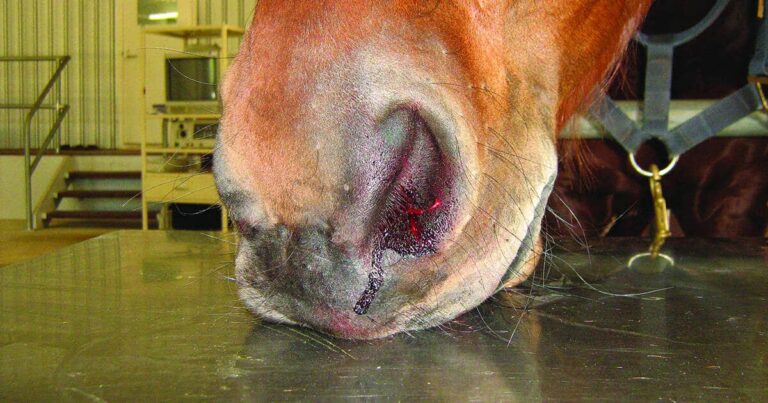
The most common clinical sign of an ethmoid haematoma is intermittent serosanguinous or haemorrhagic discharge usually from one nostril. This may start as occasional drops of blood or a small trickle every so often and progress over several months to more pronounced epistaxis.

Other signs are less common but may include upper respiratory noise, chronic purulent nasal discharge, malodorous breath, facial swelling, head shaking, exercise intolerance and a visible mass in the nostril.

Unilateral epistaxis (bleeding from one nostril only) is the most common clinical sign of an ethmoid haematoma.

Diagnosis

If you suspect your horse may be suffering from this condition, it is best to consult your veterinarian straight away.

A diagnosis can be made based on history, clinical signs, radiographs and endoscopy.

Radiographing the horse’s head enables the veterinarian to visualise the size and location of the mass within the skull. This becomes important when making decisions on treatment options and prognosis.

The lateral (side) view of the skull is most diagnostic and a characteristic smooth, discrete, rounded density can usually be seen within the sinuses.

Endoscopy involves passing an endoscope, which is essentially a long tube with a camera on the end, up the nose and into the nasal passage.

In some cases, it is difficult to ascertain the size or even the presence of a mass with just endoscopy as the ethmoid haematoma may be located partially or completely within the paranasal sinus which is impossible to visualise with endoscopy through the nasal passage. For this reason, radiographs and endoscopy are best performed together for diagnosis.

Ethmoid haematomas have a very characteristic appearance on endoscopy, therefore endoscopic guided biopsy of the mass is generally not necessary to make a diagnosis and the risks of bleeding and not getting a representative sample outweigh the benefits of a biopsy.

An ethmoid haematoma generally appears as a red or yellow to green tinged mass visible with endoscopy.

Treatment

There are two main treatment options for this condition, both of which involve a certain amount of risk.
Surgical treatment is the most common. Surgery can be done under a general anaesthetic or standing under heavy sedation.

It involves creating a bone flap through into the frontal sinus to access the ethmoid haematoma directly. The haematoma is removed through the flap using curettage and gentle surgical manipulation. Laser ablation and cryogenic ablation through the sinus flap are other techniques that can be used. There is a risk of excessive bleeding during surgery however generally this is able to be managed sufficiently. Surgery gives the surgeon the advantage of visualisation of the sinus to increase the chances of complete removal.

The least invasive option is chemical ablation. The procedure is performed standing under sedation through the nostrils. Formalin is injected into the mass through a catheter passed into the endoscope. The tissue dies and sloughs away 5-10 days post injection and the procedure is repeated at regular intervals until there is no evidence of the haematoma remaining. This option doesn’t account for large lesions that may be mostly hidden from view from the endoscope or lesions that are not accessible through the nostrils via endoscopy.

In some cases, treatment may include a combination of these techniques.

An ethmoid haematoma after surgical removal, note the greenish tinged capsule.

It hasn’t been definitively proven which treatment is better; however it is essential to remove the encapsulated mass in its entirety to have the best chance of avoiding recurrence. The access to the mass which surgery provides seems to make this option more favourable.

To conclude

Prognosis for a horse with an ethmoid haematoma left untreated is poor as the mass is progressive and eventually causes obstruction and destruction of the nasal passage.

Prognosis with treatment is good, however recurrence rates of 20%-50% have been reported depending on method of treatment. Recurrence can occur months and even years after initial treatment therefore regular rechecks are recommended so prompt follow up treatment can be instituted.

Although it can be an ongoing debilitating condition, if your horse is diagnosed with an ethmoid haematoma there is certainly hope that treatment will be successful and your horse will lead a normal healthy life.

Caring for Senior Horses

Caring for Senior Horses

Caring for senior horses: The Veterinary profession is learning a lot more about how to care for older horses in the areas of prevention AND cure. This fact sheet will give you an overview of the health care strategies that will give your ageing horse the best chance of living a longer, and what’s more important, a comfortable life of the highest quality.

Whilst younger horses have Mother Nature on their side, any neglect, no matter how subtle, will be revealed as your horse or pony ages. All of the health strategies mentioned need to start now, and the Equine Health Care boxes to tick include safe paddocks, a balanced safe diet, scientifically based worm control strategies, uncompromising foot care, regular veterinary health and dental exams, vaccination programs and regular exercise.

Providing a high standard of care for the hooved members of our family is a real team effort between yourself, your horse vet and your farrier. It requires commitment in both time and money, but haven’t these guys earned a right to be cared for just like family?

Read more…

[wpdm_package id=60710 template=”link-template-button.php”]


Euthanasia is always the ultimate treatment when quality of life has diminished significantly, however making this determination is not that easy. Read more here about Letting go: Taking responsibility for end-of-life decisions.

Emergency Evacuation Plan

0

Emergency Evacuation Plan

Do you have an Emergency Evacuation Plan? Can you get all your horses out, before a natural disaster hits? How? And where will you go? A plan is essential for all horse owners.

The emergency event management approach needs to vary with each type of emergency event (bushfire, flood, cyclone, etc). However, in all situations, the better prepared you are, the better survival chances for all your family and animals.

Animal evacuation from a emergency event area must occur in a prepared and coordinated manner, but in reality many people put themselves and others at risk attempting to rescue horses at the last minute. Leaving early requires planning, as many horse owners don’t have the vehicles or enough vehicles, resources, experience and practice to move all their animals under a variety of conditions.

Horse management priorities during a emergency event should focus on immediate safety, this easy to read fact sheet will help you put a plan in place and includes many options that can help you plan how to protect your horses and your family during an emergency event.

[wpdm_package id=65230 template=”link-template-button.php”]


Further information:

6 Steps to Improve Your Horse’s Natural Disaster Resilience

The Cycle of Disaster Resilience

Horse Training Course: Part 3 10 Easy Steps to Easy Trailer Loading

Black Beauty Can Help us Navigate Welfare Issues Like Rollkur

During the Victorian era, many people had little empathy for their beasts of burden, but all that changed when ‘Black Beauty’ was published in 1877. This was the first book to be written specifically to encourage people to stop deliberate cruelty to horses. 

The spark for horse welfare

Author Anna Sewell managed to connect emotionally with the reader via the animal’s mind. The story narrates the life of Black Beauty himself, from foal to working horse, to retirement. Along the way, the horse has a range of experiences where he and other horses are treated with kindness, indifference and cruelty by humans. The viewpoint lets readers share the possible feelings and emotions of a horse.

The narration of the story through the mouth of a horse was exceptionally effective. In fact, this is where the phrase ‘straight from the horse’s mouth’ originates. The book remains in the top ten best selling English language books.

Anna’s popular novel is credited with fueling the animal welfare movement in the United Kingdom by making people consider an animal’s perspective. Feelings of empathy for fellow sentient beings gradually spread throughout the western world.

Presently, genuine interest in aspects of the welfare of Australia’s equines has reached a stage where it is a mainstream issue. To name a few, jumps racing, the racing of two year olds, whip use, the treatment of Melbourne’s carriage horses and brumby management have all experienced media attention in recent years.

The number of horse welfare and protection groups has risen dramatically in the past decade, with most people in the horse industry realising that such organisations exist. Segments of the fragmented Australian horse industry are becoming aware that there are significant welfare issues relating to the way we use and train horses, as well as how in many cases, we discard and dispose of “unwanted” animals.

In the last couple of decades of the 20th century we witnessed the rise of natural horsemanship, a training system which for the first time attempted to interpret the horse’s ethogram (natural behaviours, or the way they view and interact with the world). Then in 2002 we saw the appearance of Equitation Science, and the First International Equitation Science Symposium which was inaugurated in August 2005 when proceedings were conducted at the Australian Equine Behaviour Centre in Victoria, Australia. This new scientific branch uses an evidence based understanding of animal psychology, learning theory and horse behaviour to explain how horses learn and how training systems can be optimised to optimise outcomes for both horses and humans.

How far have we come?

We have come a long way, but there are still many aspects of the treatment of horses in Australia and Worldwide that range from questionable to extremely disturbing. Perspectives on these issues are always varied, passionately defended, and usually fraught with controversy.

The way people train and manage horses is changing in some spheres, and when it truly has the welfare of the horse foremost, these changes result in more effective riders and trainers, happier and healthier horses. Realistically however, and even though many organisations and individuals vehemently state that “the welfare of the horse is paramount”, in all disciplines there will be times, many times in some cases, when those become empty words, and humans will do what they see fit to get a result.

Rollkur, hyperflexion and LDR

One example of a controversial training technique that may have negative welfare implications for the horse, but continues to be used by riders and is endorsed by the official governing bodies, is that of hyperflexion, commonly known as rollkur, and now officially named LDR (low deep and round), a warm-up technique made famous by dressage riders (although it is common in many other disciplines).

The different terms all refer to the practice of flexing the horse’s neck and poll laterally and longitudinally using bit pressure. The flexion can range from behind the vertical to extreme (where vision and respiration are restricted), and although showjumping riders had been practicing it for a long time (usually with the aid of draw reins), in the international dressage warm up arena it was first seen being used by Nicole Uphoff, the rider of Rembrandt, who caused something of a “revolution in the dressage world” and who won with world record scores at the 1988 Seoul Olympics.

The technique first received negative media attention back in 1993 when the German dressage magazine St Georg, coined the name “rollkur” and suggested it was unsightly and possibly cruel. Since then the practice has been officially renamed twice (first hyperflexion and now LDR or low, deep and round), but continues to cause passionate debate, the most recent as a result of the “blue tongue World Cup” YouTube video posted by Epona tv of a Danish stallion being ridden for 120 mins in varying degrees of hyperflexion, and showing a limp tongue that appeared to be blue at one stage.

Dressage has somewhat unfairly received most of the attention, probably because it is recognised as the pinnacle of equestrian achievement, where the highly educated horse and rider become one. The FEI (International Equestrian Federation) is the governing body of all Olympic and World Equestrian Games (WEG) disciplines, including dressage, and first tried to mitigate welfare concerns in this discipline by adding to the rules the notion of the “happy athlete”

Despite the public concern and peer reviewed evidence that points to hyperflexion compromising welfare and being unethical, horses trained in this way are winning medals and even achieve record scores – are the official governing bodies putting results before welfare?

The FEI is slow to respond. Since 1993 it has conducted two reviews on the practice. The result of the first in 2006 was a change of name from rollkur to hyperflexion, and the promise of research into the effects – no studies were conducted. The result of the second review is another new name (LDR) and a series of difficult to police and subjective guidelines for stewards that leave many grey areas open to individual interpretation.

What did Black Beauty think of elegant posture?

The fictitious Black Beauty let us know how he felt about short bearing reins  that held the horse’s head in a supposedly elegant posture (improved deportment). The reins received much notoriety after their potential for cruelty and abuse was vividly portrayed in the novel. These are mechanical aids and easily abused. Historically, improper use and overuse created chronic problems with the spine and back that in some cases made some horses crippled. The fashion extremes of the 18th and 19th centuries at times required a tightened bearing rein to the degree that it even made breathing difficult. These reins were abolished because of the protests caused by the novel, but sadly we still see very similar devices coming into fashion and being used today.

Mechanical devices that help the rider alter a horse’s head and neck carriage (frame) are still common, and used by riders and trainers everywhere without much concern. There are draw reins, bearing reins, vienna reins, side reins, pessoa’s, gags, combination bits, curb bits with chains and many others. These are all mechanical devices designed to multiply the amount of pressure that a person can apply to the horse’s body.

Giving the horse the benefit of the doubt

If, just like Black Beauty, horses could speak, they would be able to share their feelings and emotions, and we would know just how far is too far when they are ‘asked’ to perform. In reality however, we never will know exactly how horses see the world and if we are to make mistakes, let’s err on the side of caution.

Equitation science can help us measure the physiological effect (horse’s stress level) that our practices can have, it can enlighten and educate horse owners about what horses value and how to motivate them, but in the end it is up to individuals to manage and train their horses in ways that above all aim to protect their mental and physical well-being.