fbpx
Home Blog Page 46

Equine Embryo Transfer

Equine reproduction by embryo transfer allows a competitive mare to continue performing, achieving multiple foals from one mare in a season and can ensure valuable genetics are not lost if a mare can no longer carry a foal. In this article, Dr Gillian Rickard from the Illawarra Equine Centre, explains the importance of working with an expert team, and the process and factors that play a role in the success of this specialised breeding technique.

Embryo transfer (ET) is a procedure where a fertilised egg is removed from the donor mare and put into a recipient mare, who carries the pregnancy to full term and gives birth to a foal which she considers her own. The main reason for doing this is so the donor mare does not have to carry a foal. 

Originally, the main candidates for ET were older mares who could no longer get or stay pregnant, due to uterine problems, or who had musculoskeletal issues which would make carrying a foal or giving birth extremely difficult.

As ET has become more successful, breeders have recognised the huge advantages it provides.

Advantages of embryo transfer:

  • Competition mares can produce progeny with minimal time out of work.
  • The ability to get multiple foals out of a single mare in a season. 
  • The mare that is unable to carry a foal, but whose genetics or performance makes her progeny valuable.
  • Mares that foal late in the season can still produce a foal for the year through embryo transfer but, by not carrying it themselves, can then make an early entry into the next breeding season. 

The embryo transfer process 

The first step is for the donor mare to be inseminated either naturally, with chilled or with frozen semen. 

Knowing the time of ovulation is very important, so the mare should be scanned throughout her cycle. She should also be monitored and managed for fluid during her cycle and following insemination. The cleaner and healthier the mare’s uterus is, the healthier the embryo will be and its chance of sticking in the recipient mare greatly improved.

Generally, the flush date is seven to eight days post-ovulation. The earlier day is chosen if the mare is young, and the semen is fresh or chilled, and the later day is chosen if the mare is older and the semen was frozen, or if previous attempts have been successful on a particular day.

Day of flush relates to the size of the embryo and, surprisingly, smaller, younger embryos are less fragile than larger, older ones. If you flush too early, however, the embryo may not yet be released into the uterus and so will be missed.

Another possibility is if, at that time, there is no embryo, which will be because the mare has failed to conceive (for various reasons).

The flush of the embryo

For the flush, the donor mare is put in the crush, lightly sedated, her tail wrapped and her perineum cleaned thoroughly.

A Foley-type balloon-tipped catheter is passed through the cervix and inflated, which locks the catheter in the uterus. The catheter is attached via ‘y’ tubing to the pre-warmed embryo flush medium and a filter cup, which will catch the embryo.

The fluid flows into the uterus and inflates it. With the help of rectal ultrasound, it is established the fluid has reached up both uterine horns. A gentle massage of the uterus encourages the fluid around the uterus and then the fluid is allowed to flow out passing through the filter cup.

Between flushes, the cup is disconnected and the contents checked for an embryo under a microscope. If one is found in the first flush and the mare hasn’t had a double ovulation – and hence a chance for a second embryo – then the catheter is removed and the mare can go back out. If, however, the embryo is not there on the first flush, the practitioner will use several more bags of flush to try to retrieve an embryo.

The embryo transfer 

If an embryo is recovered, it is given a grading based on its size, shape and developmental stage. Whilst the grading is subjective, it does help with predicting the likelihood the recipient mare will hold the pregnancy. Grade 1 is best and grade 4 is very unlikely to survive.

The embryo is washed to remove debris or micro-organisms, more washes occur if the flush fluid was dirty, suggestive the donor mare’s uterus was not healthy and, therefore, capable of adversely affecting the embryo.

The recipient mare is prepared for the transfer. First, a rectal examination and ultrasound establish her uterus is quiet and fluid-free, she has a clear CL (corpus luteum) and a tight cervix – all of which indicate her progesterone level is suitable for pregnancy. Then, she is cleaned with a thorough surgical scrub of her perineum, sedated and given drugs which, depending on the practitioner’s preference, may include an anti-inflammatory, antibiotics and hormones.

The embryo is drawn up into a straw in a fluid bubble and the straw is put into a transfer gun, which is in a sterile plastic sleeve. The gun is passed through the vagina to the cervix where the sleeve is pulled back. The gun is manipulated through the cervix into the uterus with as least disturbance to the cervix or uterus as possible. This is the hardest part of the whole procedure. Then, the embryo is pushed out of the straw and the gun is gently withdrawn.

The recipient broodmare 

It is very exciting to retrieve an embryo, but implanting it into a suitable recipient mare is crucial to success.

The general preference in Australia and at Illawarra Equine Centre is to use Standardbred mares aged between three and 10 years. We try to choose nice types, good size, calm temperaments and catchable, with a perfect uterus and vulva conformation.

The mares are very well managed year round. They are all wormed regularly, have their feet and teeth attended to, and are caught and tied up most days as they are scanned routinely every second day to follow their cycle.

When a donor mare is close to insemination, the recipient herd is checked to find two mares that will ovulate preferably 1-2 days after the donor mare. These mares’ cycles are followed to determine the day of ovulation and their uteruses are checked for fluid as there should be none at the time of implantation – that’s why there are always two mares prepared as a back-up is necessary or the embryo will not survive.

Following the transfer of the embryo, the recipient mare is managed as best as possible to minimise stress. She is kept in the same paddock with her buddies and fed the same.

Pregnancy test after embryo transfer

Five days after the transfer, we perform the first pregnancy test. It is always tremendously satisfying to see that round black circle on the ultrasound screen and to make an equally happy phone call to the client.

Further pregnancy tests are performed until 45 days when the recipient mare generally goes home to her new owners. We encourage owners to treat the recipient mare as well as they would their own broodmares – regular worming, dental care, vaccinations, hoof care and good handling will all be necessary to ensure the outcome is a healthy foal.

Success of embryo transfer

Whilst ET has progressed in its success rate, the factors affecting success should be considered by every mare owner before embarking on what is an expensive program.

The most important factors are:

  • The donor mare’s age – a younger mare being better than an older one – her uterine health, fertility and time of season all play a big part.
  • The stallion’s fertility and quality of semen whether it is fresh, chilled or frozen.
  • The recipient mare’s reproductive health, the day of ovulation, stress levels and quality of management throughout the pregnancy.
  • The expertise needed for insemination, post-breeding follow-up, flush, transfer and recipient mare management. 

Weighing up your breeding options 

There are often easier ways to get a foal, but if your mare factors make embryo transfer the best option and your breeding budget allows it, then my recommendation is to go into it knowing that, while success is not guaranteed, if you follow the advice of an experienced ET veterinarian, you have a better chance to get your dream foal.

Read an interesting report on equine embryo transfer science and ethics.

Read the original science and ethics article published in the Equine Veterinary Journal.
Making Sense of Taste and Smell: Part 1

Making sense of taste and smell. Chemical senses.

Ever wondered why horses have such big, long noses? Well, just like in the Little Red Riding Hood tale: All the better to smell with! But, how important are smell and taste when it comes to preferences and food choices? And, do you think horses use their senses of smell and taste in the same ways we do? 

In this two-part series, nutritionist Mariette van den Berg investigates the influence smell and taste have in a horse’s diet selection. Part One reviews the science behind how these senses work, and examines the anatomy of the nasal and oral cavities in horses. Part Two will cover how animals learn to like or dislike certain foods and how this knowledge can help you manage your horse’s diet, including tips on working with fussy eaters!

Considering the vast variety of horse feeds on the market, you would assume that the equine senses of olfaction (smell) and gustation (taste) would have been extensively studied by feed companies. The reality, however, is that research into the mechanisms that influence your horse’s diet selection and food preferences is very limited. 

Nevertheless, a better understanding of what is currently known could be relevant to your own horse and feeding management, so let’s review those introductory questions and highlight some of the relevant research findings.

Insight into the ‘chemical senses’ 

The chemical senses of taste and smell are considered to be one of the oldest adaptations in animals. They are essential because they help us to identify whether something is good to eat or bad for you. An example of this is that sweet foods often signal a simple source of energy, while bitterness can be an indication that something is poisonous. This helps to highlight that an animal’s food intake and preferences are the direct result of the interrelationship between a food’s flavour and its postingestive feedback – the feedback from the gut to the brain that allows animals to sense the nutritional (e.g. energy) or toxic (e.g. nausea, colic) effects of the food they have eaten.

The flavour of food is not limited to how it tastes, but rather a combination of its odour, taste and texture. The postingestive effect results from feedback from cells and organs (in the gut) to the brain, and this feedback is termed ‘positive’ (i.e. it increases the food’s palatability) if the food meets the animal’s nutritional needs and ‘negative’ (decreases palatability) if the food is either inadequate or excessive relative to the nutritional needs, or it contains high levels of toxins. 

Your sense of smell allows you to detect chemicals at a distance and it draws in the finer characteristics of foods, but it isn’t very useful for detecting the ions that give the salty, sweet or sour tastes. In order to detect them, these need to be dissolved in water or saliva. Taste, therefore, allows you get up close and personal with the food.

All animals have chemical senses of some sort. We know that organisms as small as single-cell amoebas can sense specific chemicals. Invertebrates, such as insects, use cells dedicated to chemical senses, which are the direct evolutionary equivalents of mammal taste buds. Flies, for example, taste through their feet and proboscis (elongated, sucking mouthparts). Vertebrates, on the other hand, have tongues and all tongues have taste buds. Despite this, it appears that not all animals can taste similar things. Research has found that different species have different taste buds specialised to detect the things they are most adapted for.

Senses and feedback mechanisms that link nutrition and feeding behaviour 

Smell and taste belong to the chemical sensing system we call ‘chemosensation’. Smelling and tasting is a complicated process that starts when molecules released by the substances around us stimulate special nerve cells in the nose, mouth or throat, and these cells then transmit messages to the brain.

Olfactory (smell) nerve cells are stimulated by the odours around us – for example, the fragrance from a flower. These nerve cells are found in a patch of tissue high up in the nose and they connect directly to the brain.

Gustatory (taste) nerve cells are clustered in the taste buds of the mouth and throat. They react to food or drink mixed with saliva. Many of the small bumps that can be seen on the tongue contain taste buds. These surface cells send taste information to nearby nerve fibres, which send the messages to the brain.

These senses, together with the autonomic nervous system (visceral nerves), the brain stem, limbic system (thalamus, hypothalamus, amygdala and hippocampus) and higher cortical centres of the brain, interact through neural fibres that can facilitate or inhibit behaviours (see Figure 1 in PDF).

Taste plays an important role in the processes that cause animals to change their preference or food intake. The affective or involuntary process (an automatic process that can even happen when the animal is asleep) links the taste of food with its postingestive consequences to alter the preference or intake of food (depending if it had a positive or aversive effect internally).

The cognitive or voluntary process (a learned behaviour) involves the use of the senses of smell, sight and sound to discriminate amongst foods that cause satisfaction, and foods that make the animal feel unwell or sick. The affective and cognitive processes are mediated by different brain systems (see Figure 1 in PDF), but they operate in parallel to regulate the internal environment.

It is through these processes that animals acquire food preferences and aversions (they learn to like or dislike certain foods).

Flavours 

In humans, the sense of taste comes from taste receptor cells, which are bundled together in clusters of up to 150 (i.e. taste buds). Taste buds are usually most widespread on tiny pegs of the surface of the tongue called papillae. In humans, we know there are five primary taste sensations:

  • Salty, which permits modulating the diet for electrolyte balance.
  • Sour, which typically indicates acids. 
  • Sweet, which indicates energy-rich nutrients. 
  • Bitter, which can indicate toxins. 
  • Umami, which is the taste of amino acids, such as meats and cheese. 

Certain tastes join with texture, temperature and odour to produce a flavour that allows us to detect what we are eating. Many flavours are recognised through the sense of smell. If you hold your nose while drinking coffee, for example, you will have trouble identifying the coffee flavour, even though you can distinguish the food’s sweetness or bitterness. This is because the familiar flavour of coffee is sensed largely by odour.

Interestingly, taste and smell cells appear to be the only cells in the nervous system that are replaced by the body when they become old or damaged. Scientists are examining this phenomenon, while studying ways to replace other damaged nerve cells.

Humans versus animals 

Do you think that foods taste identical to us as they do to other animals? The molecular mechanisms in humans and animals does appear to be comparable – what is sweet to us, also tastes sweet to a rat – however, there are some exceptions. For example, cats can’t taste sweet things (it’s an evolutionary trait that all members of the cat family have lost) and some species of monkey can’t taste artificial sweeteners, but do taste natural sugars.

It has been estimated that humans have 8,000-10,000 taste buds on their tongue that are typically replaced every 10 to 14 days. Other mammals, however, have many more taste buds, predominantly on their tongue and palate. Herbivores, like cows and horses, have around 25,000, omnivores, like pigs, have around 15,000 and carnivores generally have the least number of taste buds. Researchers suggest that the reason why herbivores have so many taste buds is that they need to be able to differentiate if plants contain excessive toxins. Conversely, a carnivore’s diet is usually fairly consistent and safe (it comes in packages). Birds have far fewer taste buds than mammals and, for example, chickens only have around 30.

Fish have lots of taste buds, both in their mouths and on their skin, mainly along their lateral lines. Several reptiles, such as snakes and lizards, use their tongues to detect both taste and smell chemicals, and they do so by transporting molecules to a pit in the roof of the mouth called the Jacobson’s organ, the famous organ that is responsible for the flehmen response in horses (See Figure 2 in PDF).

Equine chemical senses 

The truth is that we know very little about the role of smell, taste and postingestive feedback mechanisms in horses. Industry has assumed that most of these processes work in a similar way as observed in other herbivores, such as cows and sheep – both species that have been the subjects of some research.

There are, however, some distinct differences that we have to consider between horses and ruminants. Most notably the difference in postingestive or gut-brain feedback of the horse – a hindgut fermenter that cannot vomit – with that of a ruminant with a very different anatomy.

So, next month, we will delve more deeply into the theory and research to date that relates to the food preferences and aversions in ruminants, and what current research is available on horses.

Reference: Provenza, F.D., 1995. Postingestive feedback as an elementary determinant of food preference and intake in ruminants. Journal of Range Management 48, 2-17.

Click here to download this article about equine chemical senses, “Making Sense of Taste and Smell: Part 1″ [wpdm_package id=52368 template=”link-template-button.php”]


Read Part 2 here.

The Horse Grimace Scale Helps Recognise Pain

A team of researchers from Italy, Germany and England successfully developed and validated a standardised scale to recognise pain in horses based on their facial expressions. Called a Horse Grimace Scale, the scale is easy to teach and will assist in pain detection in horses. It will have a positive impact on horse welfare, particularly when they undergo routine painful procedures, such as castration.

For this open-access study, a group of 40 stallions of different breeds aged 1-5 years underwent surgical castration with closed technique under general anaesthesia. An additional six horses undergoing non-invasive surgeries were used as the anaesthesia control group. High-definition cameras were used the day prior to surgery and eight hours post-operatively to capture images of the horse’s expressions. High-quality images of the horses’ faces were extracted from the videos and then scored by five treatment-blind observers.

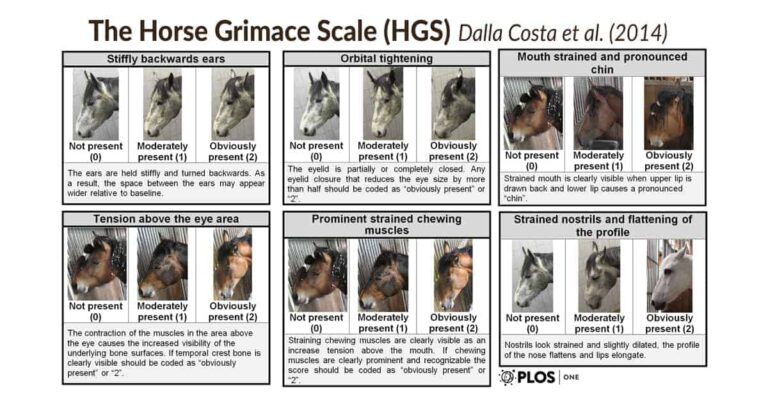
The researchers identified subtle changes in facial expressions that indicate pain to develop the horse grimace scale. It comprises six facial action units (see image below), including stiffly backwards ears, orbital tightening, tension above the eye area, prominent strained chewing muscles, mouth strained and pronounced chin, strained nostrils and flattening of the profile.

Changes in behaviour and pain scores were assessed and it was concluded that only horses undergoing castration showed significant changes at eight hours post- compared to pre-operatively. Explorative behaviours and alertness were also reduced.

Horse Grimace Pain Scale

Facial expressions are commonly used to assess pain and other emotional states in humans. Standardised methods the assess facial expressions describe the changes to the surface appearance of the face, resulting from individual or combination muscle actions, referred to as ‘action units’. The use of the HGS is able to assist in the same way with horses. Its use post-operatively for scoring pain will have distinct advantages over manual behaviour analysis, which can be complex and time-consuming.

Excerpt horse grimace scale

According to Dr Emanuela Dalla Costa and her colleagues, “Annually, it is estimated that 240,000 horses are castrated in Europe and, despite the severity of pain associated with routine castration in horses being contentious, the findings of previous studies have demonstrated this procedure is very likely to be associated with some degree of pain.” The HGS could also be further developed to identify facial action units associated with other states, such as fear and anxiety, so that we are able to differentiate pain from other states, she explains.

Read the full open access.

Compiled with information courtesy: Michela Minero, Emanuela Dalla Costa, Dirk Lebelt, Diana Stucke, Elisabetta Canali and Matthew Leach, Università degli Studi di Milano, Milan, Italy, Haveland Equine Hospital, Brielow, Germany, Newcastle University, NewCastle, United Kingdom.

Equine Herpes Virus

Equine Herpes Virus (EHV) causes horse owners and breeders a large amount of concern due to its potentially devastating effects. 

The virus is ever-present in the horse population worldwide and cases of Herpes virus infection are seen sporadically across Australia. It can cause mild to life-threatening disease affecting the respiratory and neurological systems, as well as being responsible for abortions in all ages and breeds of horses and donkeys.

The equine herpes virus has five different strains; the main strains of concern are Equine Herpes Virus 1 (EHV-1) and Equine Herpes Virus 4 (EHV-4).

How does the disease spread?

The vast majority of horses will be exposed to the virus during their first year of life and will develop low-grade respiratory disease which generally, in uncomplicated cases, will resolve in 1-2 weeks. These horses will go on to develop short-term immunity to the virus.

Infection is spread by the inhalation of infected droplets or eating contaminated material. Infected horses shed the virus in nasal secretions and abortion products, such as the placenta, aborted foetus and uterine discharges. The virus can remain in the environment for up to two weeks.

The immune system, however, often fails to eliminate the virus from the horse’s body completely and, as a result, the horse will then remain latently and asymptomatically infected with Herpes virus for life (these horses are called ‘silent carriers’). These inapparent infections can be re-activated later in life during periods of stress, such as periods of poor nutrition, heavy parasite infestations, and lengthy periods of transport or stressful herd situations.

When the virus is re-activated, the horse may not show any signs of illness and still shed the virus, therefore, he becomes infectious to other horses. This explains why outbreaks of Herpes virus can occur in a closed herd situation, without the need for introduction of new animals.

Clinical signs of Equine Herpes Virus

EHV-1 is the most serious of the strains of Herpes virus as it has the ability to target the respiratory, reproductive and nervous systems in the horse, and can affect either individuals or large groups of horses.

Respiratory disease

EHV-1 is a regular cause of ‘the common cold’ in young horses. They normally present with varying degrees of fever, nasal discharge, inappetence and depression. The majority of these infections are mild, but can result in large numbers of horses, especially weanlings up to 3-year-olds, becoming infected. EHV-2, EHV-4 and EHV-5 can all also cause respiratory disease, which is generally mild in severity.

Abortion 

EHV-1, and occasionally EHV-4, can cause abortion, which usually occurs in the last four months of gestation, but can occur as early as four months gestation. The mare will normally abort a foal, often still within the placenta 10 days to 12 weeks after being infected with the virus. Often the mare will not show any signs of being ill before aborting the foal. Some mares if infected in late pregnancy may deliver a live foal. However, these foals are often born with severe disease and often die despite intensive veterinary treatment. These abortion products and foals are also a major source of infection to other foals and horses on the same property.

Neurological disease/Myeloencephalopathy 

Neurological signs associated with EHV-1 are uncommon, but can be life threatening – horses showing neurological symptoms will often be housed on a property which has had an outbreak of respiratory illness or abortions within the last few weeks.

Symptoms often appear suddenly, approximately 6-10 days post-infection. Mild cases become weak and slightly wobbly in the hind legs, and can dribble urine. More severe cases show weakness and paralysis of the hind limbs, which often results in the horse sitting like a dog and being unable to stand. Even though the neurological symptoms appear suddenly, they tend to stabilise in the first 24-48 hours. Most horses with the neurological form of EHV-1 do not have a fever.

Diagnosis of Equine Herpes Virus

Herpes is a notifiable disease in Australia. If you suspect your horse is suffering from the abortion or neurological effects of the disease, you need to contact your veterinarian who will then contact Biosecurity Queensland. EHV is specific to equines and it is not transmissible to humans.

Testing for Herpes virus is difficult due to the presence of antibodies in most horses’ blood from their first exposure to the virus as young animals. 

Paired blood samples which are taken 7-21 days apart and swabs from the nasopharynx can be tested for the virus, but both tests can result in false negatives once the horse is showing symptoms. It is worthwhile testing horses that have been in contact with the horses showing symptoms as they may test positive prior to becoming ill.

Laboratory testing of placenta and aborted foals can identify the Herpes virus as cause of the abortion. Samples can be taken by your veterinarian or the whole foetus can be submitted for testing.

Treatment 

All horses that are suspected of suffering from Equine Herpes infection should be isolated immediately from any other horses on the property as the virus is highly contagious.

Horses with mild respiratory signs will recover uneventfully or may require a short period of antibiotics if a secondary bacterial infection has occurred.

Mares which abort due to Herpes infection do not require treatment and the virus only remains in the genital tract for a few days. The infection should not affect the mare’s future reproductive potential, and she can be bred successfully shortly after the abortion and go on to foal normally.

Horses with the neurological form of Herpes can be extremely difficult to treat especially if they are unable to stand. There is no specific treatment for Herpes virus Myeloencephalopathy (EHM), treatment is aimed towards fluid and nutritional care, and supportive nursing.

Very often these horses will still have a good appetite, but may require intravenous fluids and sometime laxatives to prevent impaction colic. Urinary incontinence may also need to be managed by evacuating the bladder or catheterising the bladder until the horse is able to urinate voluntarily.

Horses that remain standing have a good prognosis for a full recovery and improvement generally occurs within a few days. However, complete recovery can take up to a year. Horses that remain unable to rise for longer than 24 hours and who are unable to stand with the assistance of a sling have a much poorer prognosis, due to potential secondary complications.

Equine Herpes Virus (EHV) Prevention 

Prevention of Equine Herpes virus can be managed by taking several steps:

1. Isolate:

Prompt isolation of suspect cases and the horses that have been in contact with the sick horse will help to decrease the risk of further infection and disease. These in-contact horses should be isolated for a minimum of one month and pregnant mares should be isolated until they have foaled.

2. Vaccinate:

Whilst vaccination does not protect against the neurological form of EHV-1, it can reduce the severity of clinical signs. Vaccination of pregnant mares is recommended at 5, 7 and 9 months of pregnancy, and will help to reduce the risk of abortion. Vaccination of horses that are required to travel extensively for competition or breeding is also recommended. Infected horses should not be vaccinated.

3. Quarantine:

New additions to the property should be isolated and quarantined for a 21 day period prior to coming into contact with any horses on the property.

4. Separate pregnant mares:

Pregnant mares should be kept separate from other horses on the property, especially weanlings and yearlings.

5. Minimise stress:

Good management practices, such as regular worming, good nutrition and minimising lengthy periods of transport will help to reduce the incidence of the virus.

Whilst Equine Herpes virus is something that horse owners and breeders need to be aware of, simple management practices along with good biosecurity and vaccination can significantly reduce the risk of your horse developing any form of the disease.

About the Author: Emily Mabbott graduated from the University of Edinburgh in Scotland. After graduation, she moved to the much warmer climate of Asia and worked at the Hong Kong Jockey Club for four years. After taking some time off to travel, she joined the team at WestVETS Animal Hospitals in May 2010. Emily enjoys all aspects of equine veterinary work and has completed further training in equine dentistry. She also enjoys the challenges of the more intensive patients in the equine hospital and equine anaesthesia. In her spare time, Emily can usually be found racing dragon boats and making the most of Queensland’s amazing beaches.

Jane and Stuart Myers on Active Stable Systems

The HIT Active Stable is a fully automated system that allows horses to be kept in groups whilst at the same time allowing for individual feeding regimes.

We were invited to visit the headquarters of HIT in Germany and also to have a look round a working example of this system in Sweden. While we try not to endorse individual commercial companies, we felt that this one had sufficient merit and applicable concepts on many levels to warrant a closer look.

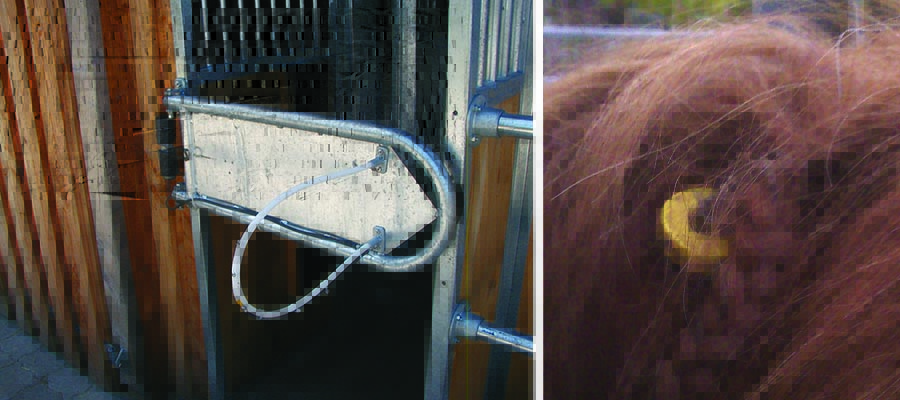
Horses living in automated active systems wear individual transponders which allow them access to feed stations or certain areas for measured feed allocations (the transponder – a small plastic disk- can be fastened to the mane).

Once the horse has eaten their allotted feed they then move out of the feed station back into the communal yard area.

The horse is encouraged by the layout of the yard and by placement of different feed stations around the yard to keep moving.

The transponders can also be programmed to allow or deny individual horses access to the paddocks which lead off the yard. Apparently horses learn the system in a couple of days and competition at feed times is low to non existent as the horses adapt to the new system.

The transponder is braided into the main and operates the door to the feeding shed
The transponder is braided into the horse’s mane or placed on a collar, and operates the access doors to feeding areas. Image courtesy HIT Active Stable©

This system means that horses can live together calmly as a herd and can be fed a controlled (and different) amounts throughout the day. Laminitic horses and ponies can live side by side with ‘poor doers’.

There is ad lib access to low energy hay/straw so that those receiving less ‘hard’ feed can still eat their fill of fibre.

As a horse approaches the feed station the transponder sends a signal to the gate and if the horse is due a feed the gate opens. Once the horse is inside, the gate closes behind it (it has electric tape on the outside to prevent another horse from crowding the first).

For hay, a door is lowered and the horse is allowed to eat for a certain amount of time before the door slowly raises denying further access.

For hard feed, a measure amount allocated to that particular horse is dispensed into a feeder. Once the horse has finished their allocated feed they walk out through another one-way gate back into the communal yard area and the next horse can enter the feed station.

The designers of this system have thought long and hard about the needs of the horse and have provided facilties such as ad-lib straw dispensers for low energy fibre intake (straw is more commonly fed in parts of Europe than Australia) and a large ‘lying shed/barn’ to allow horses to roll or relax in whilst still part of the herd.

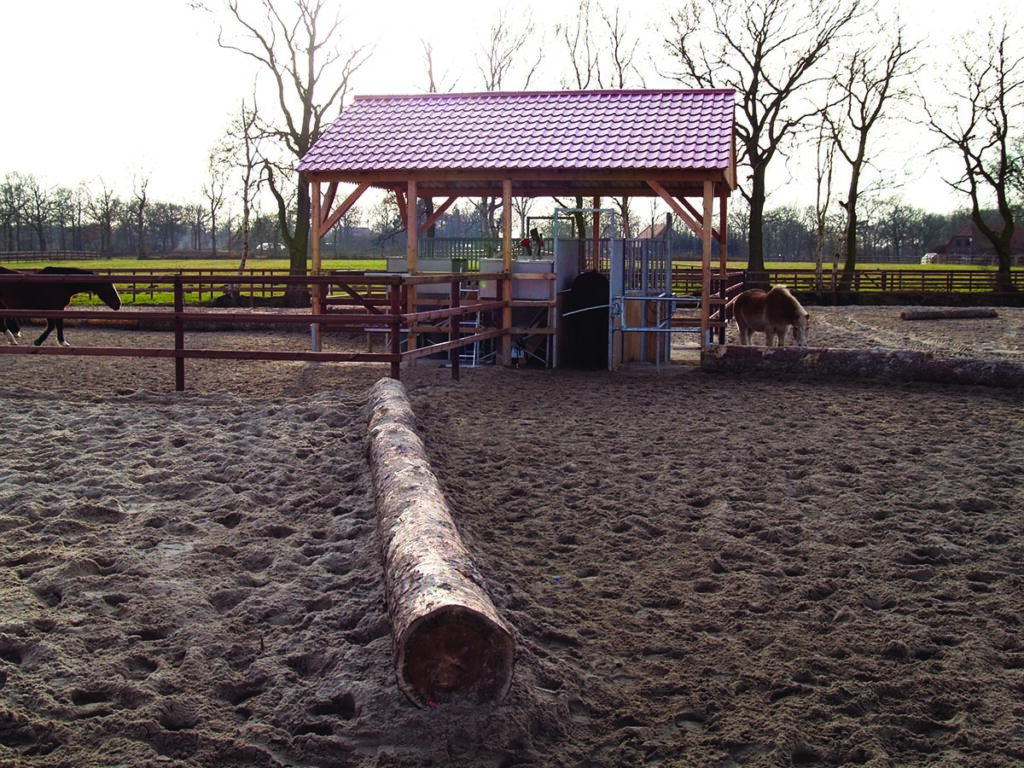
The feed shed is in a central surfaced yard, adjacent to pastures
The feed shed is in a central surfaced yard, adjacent to pastures, the design including obstacles, encourage movement. Image courtesy HIT Active Stable©

Water troughs are separated from the feed stations, again to encourage the horses to move more. Obstacles and barriers are strategically placed again to encourage movement between areas.

We particularly liked the similarities of the HIT Active Stable system to the (non automated) Equicentral System that we advocate for in our website and training courses.

Check out the Equiculture FREE Mini Course: Horses, Pasture and Grazing Course

The Equicentral System, which does not rely on automation, incorporates horse welfare factors and good land management factors where the horses (living as a herd) share a shelter/shade area in a large communal yard. Water and hay is fed in this area and horses have to walk themselves to paddocks to graze (either directly through a gate, or via laneways).

This central point system vastly reduces grazing pressure in the paddocks and helps you implement proper land management, such as paddock rotation. We prefer this system to a track system (such as Paddock Paradise) because, when properly implemented, the grass will not become stressed and the soil compacted (as it does when over grazed which it tends to do with a track system), therefore, it is more environmentally friendly.

The property we visited in Sweden that had the HIT Active Stable in operation was, interestingly, an ‘agistment’ yard.

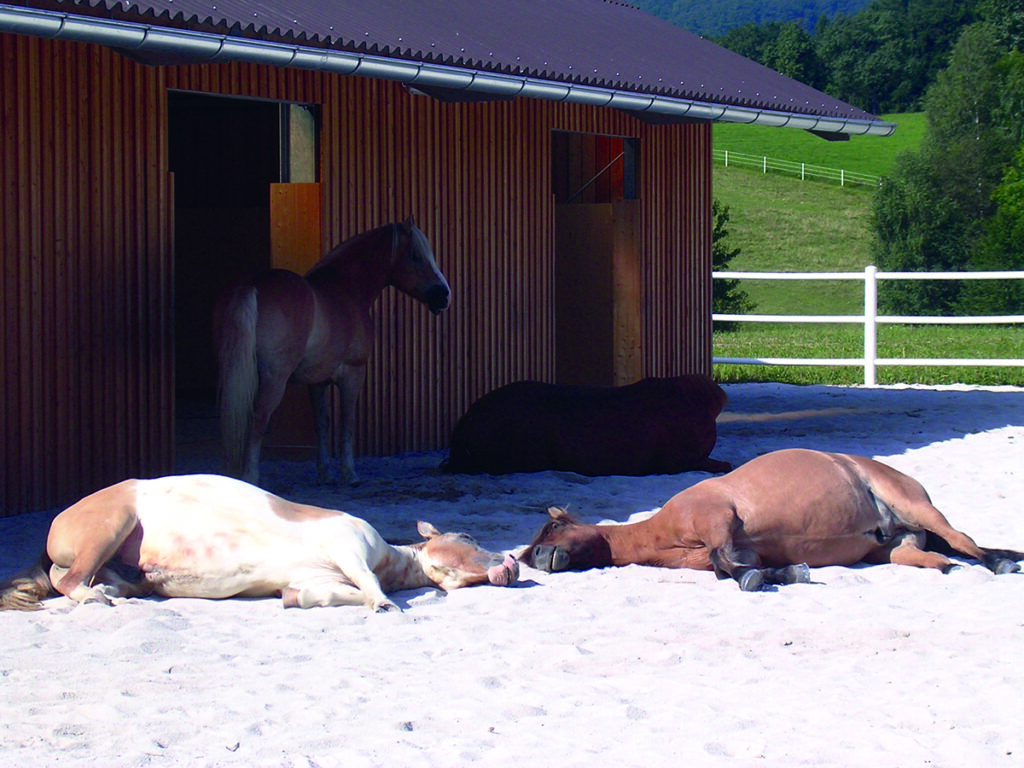
Horses can choose to rest and lie down inside the large shed or outside in the sun.
The horses can choose to rest and lie down inside the large shed, outside in the shade or in the sun. Image courtesy HIT Active Stable©

I say interestingly because in Australia, agistment (livery) yards usually separate horses in individual paddocks which leads to many land management problems (not to mention ‘bored’ horses standing around for many hours a day).

The horses at this Swedish agistment yard were valuable horses, and the owners were paying for the same level of care equivalent horse owners here would do in an urban fringe agistment facility.

What really impressed us about the HIT Active Stable is how the designer Thorsten Hinrichs, has used science to improve the lifestyle of domestic horses with priority given to developing a system which is enriching for the horse.

You can find out more about this system on www.aktivstall.de.

Some Equicentral System examples in this article.

Common Problems of the Penis and Sheath

Common Problems of the Equine Penis and Sheath

Although not exactly every person’s favourite subject, a gelding or stallion’s penis and sheath are prone to a number of problems. As Dr Natasha Hovanessian from the Canberra Equine Hospital explains, being a very sensitive area of a male horse’s anatomy that allows the elimination of urine from the bladder, any problem can easily become a major complication. Early recognition by horse owners and veterinary intervention are the best way to ensure a successful outcome.

Download the illustrated version of this article

The normal anatomy

In order to be able to identify problems with the penis and sheath, it is important to first appreciate what is normal. The equine penis is composed of three parts: the base (inside the horse), the shaft (the main part) and the glans penis (the round part at the tip). The urethra (the tube that transports urine from the bladder) and urethral process are inside of the penis and allow the horse to urinate. The urethral process should be distinctly visible at the center of the glans penis as a small pink opening leading up into the urethra. 

Surrounding the urethral process is the urethral fossa, a little cavity where accumulations of secretions called smegma, also known as ‘beans’, are a common occurrence. The prepuce is the covering surrounding the penis when it is retracted. It is composed of a double fold of hairless skin and is designed to protect the penis. The external, hair-covered part of the prepuce is also known as the sheath and is the outermost protective layer. 

Routine examination

Examination of the penis and sheath is something which should be done on a regular basis. It is important to establish normal skin texture, penis size and sheath size of your horse, so you can easily identify when something changes. Regular visual examination of the sheath can easily become part of your routine when you are grooming, saddling, feeding or visiting your horse. 

Proper examination of the penis itself can be difficult, as most horses will not appreciate you exteriorising their penis to get a look and may kick. Take the opportunity to visually examine the penis any time your horse is urinating or is very relaxed. Build-ups of secretions and sweat is a common problem in many geldings and stallions, hence cleaning of the penis and sheath is an important part of managing our mates. 

Cleaning

Cleaning with a mild soap and warm water only, should be done approximately every six months and it is a good idea to do it at the same time as your regular dental check-up. Not only is your veterinarian there to help and answer any questions, but the horse is likely to be sedated, which makes for a much more cooperative patient! Nevertheless, horses can be trained to tolerate sheath cleaning – check out this article for different ways to habituate your horse.

Indications of a problem

Once you have identified what is normal for your horse, any changes from normal can be detected. Penile or sheath problems may present in a number of ways including: 

  • Swelling,
  • Discharge,
  • Bad odour,
  • Penis remaining extended out,
  • Growths (masses),
  • Difficulty urinating, including repeated posturing to urinate or dribbling urine, and
  • Kicking at the abdomen.

Download the illustrated version of this article

Inflammation of the penis and prepuce

Inflammation of the penis is one of the most common signs of disease involving the penis. Penile inflammation can be identified by redness, swelling (which can become extreme), heat, pain, odour and interference with function. It can be caused by a number of factors, including infection, trauma or neoplasia (cancerous growths). 

Difficulty urinating

Difficulty urinating can occur as a result of a smegma ‘bean’ as mentioned above. However, there are other, more sinister causes of difficulty to urinate. If you notice your horse is having trouble urinating, only urinating in small amounts or posturing to urinate but failing to do so, first check his urethral fossa for a build-up of secretions. If no bean is found, or he is still having difficulty, a more thorough examination by your veterinarian may be required. Other causes of obstruction to the urethra can include trauma to the urethra or surrounding tissue, bladder stones, which have travelled down to the urethra, or neoplasia. 

Trauma

Trauma to the penis and prepuce can encompass a large range of injuries, including kicks, abrasions, lacerations, chemical irritation, contusions (bruising), photosensitization (sun damage) and strangulation. Regardless of the cause, penile injuries are usually accompanied by heat, pain, severe swelling and can interfere with the function of the penis or prepuce. 

Phimosis

This term refers to a condition where the penis is retained within the prepuce and is unable to be exteriorised. There are a number of potential causes of this condition. Therefore, careful examination is required to determine if the failure to exteriorise is due to stricture (narrowing) of the preputial ring internally, from a process such as inflammation, a large bean formation or neoplasia. 

Treatment for an inability to drop the penis will depend on the cause, but may involve widening of the preputial ring by surgery. Inflammation of the penis can result in failure to either exteriorise or retract the penis, which can cause a host of other complications. If you notice any abnormal swelling, discharge or growths, it is important that you contact your veterinarian, so the cause of the problem can be identified and treated appropriately.

Paraphimosis

As well as priaprism (see below), paraphimosis is a condition that refers to a state where the penis is stuck outside of the prepuce and sheath. Paraphimosis refers to the condition where the penis is constantly exteriorised and the penile tissue is limp. Paraphimosis is generally a result of inflammation, swelling and fluid retention of the prepuce. The weight of the swollen prepuce pulls it downward along with the penis, which swells and can no longer be retracted. 

Alternatively, trauma to the penis itself can result in swelling of the penis and the subsequent increase in weight pulls it down. A haematoma (blood clot) resulting from trauma is another potential cause of paraphimosis, where the weight of the increased blood in the tissues causes a downward pull.

Priapism

Priapism refers to a condition where the penis is constantly exteriorised and erect, or engorged with blood. It has been reported that this condition is mainly associated with an overactive libido. However, spinal cord injuries and a complication of castration are other potential causes. Both paraphimosis and priaprism have also been reported in association with neoplasia (abnormal growths on the penis), parasitism, debilitation from ageing or illness, as well as the use of phenothiazine-derivative tranquilisers (such as acepromazine or ACP). 

If caught early, gravitational oedema, (fluid collecting in the tissues) can be managed through the use of cold hosing, massage, exercise and application of an elastic bandage. Exercise should be carried out carefully as the exteriorised penis is at risk of further trauma if the horse moves around too much. Your veterinarian can direct early treatment for paraphimosis or priapism, but it is important to institute therapy early.

The basis of veterinary treatment is to reduce the oedema to the point where the prolapsed structures can be replaced into the retracted position. Replacing the prolapsed structures allows for more protection and better healing of the mechanism which holds the penis and prepuce in place. Slings made of a water permeable material, so that urine can still pass through, such as stockings, can be used to hold the penis/prepuce in the retracted position until the animal is able to do so themselves. Alternatively, a bottle fashioned into a sling also works well.

If complications, such as further inflammation occur, the resulting damage to the penis may mean that it can never be retracted again. In these cases, surgery to re-open the prepuce may be successful. However, complete penile amputation may be the only cure.

Parasitism and infection

There is a large and varied range of parasites and bacteria which can cause problems with the penis and/or prepuce. Below, are a few of the more common ones:

Habronemiasis, also known as ‘summer sores’, is a parasitic infection of the skin caused by the larvae of the Draschia spp. and Habronema spp. of flies. The larvae invade the skin causing inflammation, which is accompanied by intense itching. The irritation leads to self-trauma and large inflamed/reddened areas. If the infection is around the urethral opening, it may cause an obstruction, which will require surgical intervention and local treatment of the parasitic infection with topical anti-parasiticides.

Staphylococcus infection commonly occurs secondary to other problems which have caused a break in the skin. Treatment is much the same as for any other infection and involves exposure of the bacteria to the environment through thorough cleaning and debridement of wounds, as well as use of antiseptics and possibly antibiotics.

Equine Coital Exanthema is a disease caused by one of the Equine Herpes viruses (EHV-3) and is transmitted during breeding activity. The virus causes papules (small pimples or swelling on the skin), pustules (small blisters or pus-filled pimples) and ulcers on the penis of the affected male. The appropriate management is to treat the symptoms until all lesions have healed and to isolate the infected animal to prevent spread of the infection.

Tumours (neoplasia)

Squamous cell carcinoma

Neoplasia refers to abnormal growths or lumps of tissue. The most common neoplasm affecting the equine penis, prepuce and sheath is squamous cell carcinoma (SCC). SCC’s tend to be more common on light-coloured horses including Appaloosas, greys, palominos and any horse with pink tissue on the penis or sheath, which many solid-coloured horses can have. SCC’s can present in a number of ways, so it is important that if you notice any kind of lump on your gelding or stallion’s penis or prepuce that you get it checked out by your veterinarian before it enlarges. 

It can be difficult to determine the extent of the SCC’s, as what looks like a small nodule on the penis can extend quite deeply into the rest of the tissue and be present in local lymph nodes. A deep invasion such as this can cause a host of other problems, including oedema, abscesses and multiple draining tracts, which can subsequently make the diagnosis difficult.

While SCC’s do tend to spread, they do so relatively slowly, which means that surgical management of the penile lesions is often very rewarding. Extensive lesions involving the glans penis (or tip) may require phallectomy, or removal of the penis, especially if urine flow is affected.

Sarcoid

Sarcoids are the second most common neoplasm of the skin (and thus potentially affecting the penile/ preputial skin). A sarcoid tumour tends to invade quite deeply, making successful removal difficult and recurrence common. There are a variety of treatment options used, including chemical applications, cryotherapy (freezing areas of the skin), surgical excision, as well as local chemotherapy, radiation and laser surgery. Your veterinarian will best advise on an appropriate course of therapy for sarcoids on the penis or sheath. 

Melanomas

Melanomas are a common skin cancer of horses and mainly occur in grey horses. Essentially, melanomas are benign tumours and grow slowly. However, 70 per cent of horses with external melanomas have them internally as well and, if the melanoma has the potential to obstruct the normal function of urination or retraction of the penis, it should be removed early. 

The long and short of it…

Although the horse’s penis and sheath are prone to a number of problems, regular cleaning and observation, as well as check-ups from your veterinarian, will help alert you, as horse owner, to problems early on to allow for a successful outcome.

Download the illustrated version of this article

Forage, the Key to Horse Health

0

Forage, such as hay and pasture, is critical for the health and wellbeing of all horses. Understanding the design, function and reliance of the horse’s digestive system on forage is the first step in appreciating the critical value of forage. Knowledge of what’s in forage, the types and physical forms of forage, and importance of forage quality should be common knowledge for all horse owners. Finally, understanding how much forage a horse requires per day is essential in properly feeding any horse. So, let’s get started in learning about forages for horses with this article by Dr Stephen Duren.

The digestive system

The unique structure and function of the horse’s digestive system is ideally suited for the utilisation of forage. As such, horses are classified as herbivores or ‘plant eaters’. They are also referred to as ‘hindgut fermenters’ since the back portion of the digestive tract is a large fermentation vat. The horse’s hindgut is a large balloon-like area consisting of the cecum and colon. It is the largest area of the digestive system, making up over 65% of the digestive capacity.

Billions of bacteria and protozoa live in this portion of the digestive tract. These micro-organisms work together to break down (ferment) plant fibre from forage. It is the presence of these micro-organisms in the hindgut that allows horses to utilise forage. Without these micro-organisms, the horse would not be able to digest forage. The intestinal micro-organisms produce energy-yielding compounds called volatile fatty acids, as well as amino acids and B vitamins that can be absorbed by the horse. With over 65% of the horses’ digestive system geared towards digestion of forage, it is easy to see why forage is critical to the health of all horses.

What’s in forage

Forage contains all of the essential nutrients required by horses – water, energy, protein, vitamins and minerals. Unfortunately, many horse owners only talk about or judge forage based on protein content.

While protein is certainly important, other nutrients are often as important. Forage should be judged by the levels of all nutrients, not any one single nutrient. The following are some of the nutrients that forage contains along with a brief explanation:

Water – Pasture contains large amounts of water, whereas preserved forages, such as hay and chaff, have been dried to prevent mould growth while in storage.

Protein – The protein content is highest in legumes, such as lucerne and clover, lower in grasses and lowest in oat or wheaten chaff.

Fat – Forage contains a small amount of fat, which is high in omega 3 fatty acids.

Fibre – Not all of the fibre in forages is digestible, with an overall estimate of digestibility ranging from 40-50%.

Minerals – A number of important minerals, such as calcium, phosphorus, potassium, copper, zinc, selenium and others are present. The mineral content of forage is dependent of soil conditions where the plants were grown.

Vitamins – The vitamin content of green forages is higher compared to sun-bleached or weather-damaged forage.

Types and physical forms of forage

Forage comes in many different types and physical forms.  In general, forages can be divided into two types – legumes and grasses.

Legumes are plants, such as lucerne and clover. They are capable of fixing their own nitrogen and, therefore, they have higher protein content. Legumes also contain less fibre and more of that fibre is un-digestible fibre compared to grasses. Grasses that are fed to horses include many different species. The individual species of grass are further divided into those which grow well in colder climates – cool season grasses, such as ryegrass, orchard, oat and wheat, and those that grow well in hotter climates – warm season grasses, such as kikuyu, mitchel and kangaroo. Again, grasses typically contain less protein and more fibre compared to legume forages.

The physical form of forages fed to horses is also quite variable. The simplest form of forage is pasture.  Pasture can contain both grass and legume plants. Pasture plants can be selected to grow in all types of climates. Unfortunately, when conditions become harsh, such as during extreme heat or cold, pasture plants will quit growing and become dormant. At these times of the season, the horse must rely on physical forms of forage that have been stored.

Hay is the most common form of stored forage. To make hay, plants are grown to a certain height or maturity, cut, dried to low moisture content and packaged into a bale. If the moisture content is greater than 15% the hay will mould while in storage. Feeding mouldy forage is never recommended with horses since it can result in digestive upset (colic) or even death. Mould growth on forage results in the production of toxins that can cause colic or even death.

Forage that has been stored initially as hay can then be further processed into other physical forms.  These forms include pellets or chaff. These physical forms of forage are not more digestible than the hay they were made from, but instead, they simply add convenience in handling or feeding. Alternative fibre sources include fibre pellets or cubes like beet pulp, soy or hay pellets.

In the Hygain range, HYGAIN® FIBRESSENTIAL® are highly digestible fibre nuggets that are easy to feed and provide superior conditioning, whilst significantly reducing the dust and inconsistency often associated with traditional forms of chaff. Aged horses or horses with poor teeth may benefit from hay sources that have been further processed into pellets, cubes or chaff. It is an ideal fibre source for dentally-challenged horses as it can be soaked in water, which transforms the product into a soft mash.

Forage quality

The main factors that influence the quality of forage are specie of plant, stage of maturity of the plant and the physical location where the plant was grown. As mentioned previously, legume plants, such as lucerne and clover, tend to be higher in protein, energy and calcium compared to grass plants. Hence, legume forages are best suited for horses with elevated nutrient requirements, such as broodmares and growing horses. On the other hand, grass forages because of the lower energy content may be better suited to horses that gain weight easily or for show horses.

The maturity of the plant is also a determinant of forage quality. The more mature a plant becomes or the taller a plant grows, the lower the quality.

As plants mature, digestibility decreases due to an increased amount of fibre to keep the plant upright. Due to the high fibre content of mature plants, they proportionally contain less energy, protein, vitamins and minerals. Pastures often become less digestible in mid-Summer and Autumn due to the plants becoming tall and mature.

The final determinant of forage quality is the physical location where the plant was grown. Different geographic regions contain soils with different nutrient densities. The nutrient content of the soil is reflected in the nutrient content of the plant. For example, plants grown in nutrient-deficient soil will also be nutrient-deficient and of lower quality. Forage quality can be determined to a limited extent by visual inspection of the forage. Visual inspection can include looking at the leaf to stem ratio, the length of the seed head, the colour of the plant, and the presence of dust or mould.

Higher quality hays will have more leaves than stems, a short seed head, be green in colour, and smell fresh with no dust or mould. A more accurate evaluation of forage quality can be acquired via a laboratory analysis. First, a representative sample of forage is sent to the laboratory for chemical analysis. The results will then provide accurate determination of energy, protein, vitamin and mineral content. Laboratory analysis can also be used to determine the presence of harmful mould.

How much forage should be fed

Forage is the safest dietary ingredient that can be fed to horses. Horses require an absolute minimum of 1% of their bodyweight in forage per day. For a 500Kg horse this equates to just 5Kg of forage per day. Racehorses are the only horses that would get down to this minimum amount of forage. A safer guideline is to provide horses with a minimum of 1.5% of their bodyweight in dry forage per day, which equates to 7.5Kg of dry forage per day for a 500Kg horse. So, how much forage will a horse eat? Conservative estimates are for horses to consume a maximum of 3.5% of their bodyweight in dry forage per day. This is a whopping 17.5Kg of dry forage per day for a 500Kg horse.

Summary

Forage is the most important dietary ingredient for horses. The digestive system of the horse is designed to digest forage.

There are many types and physical forms of forage. All forages fed to horses should be of good quality. Forage should be offered free-choice to horses unless your horse is obese or somehow sensitive to something in forage. Feeding large volumes of forage will maximise digestive health and minimise the amount of grain that will need to be provided to the horse.


Choke

Choke: The material causing the blockage is normally foodstuff, but in isolated cases may consist of plastic, rocks, timber or other foreign materials. The blockage may be partial or complete. In most cases, choke is not an immediate emergency, but if the problem does not resolve quickly, then horses can become dehydrated, and the oesophagus can become irreversibly damaged. There is also a risk of the horse developing pneumonia. In severe cases, the condition can be life threatening.

Signs of Choke

Horses with oesophageal obstruction generally drool saliva and food material. There is often also saliva and food discharging from both nostrils. If the horse attempts to eat or drink, the horse will cough or gag, and material will flow from the nostrils. The horse may make repeated attempts to swallow, bending and stretching out their neck and extending the head to try to clear the blockage. Many horses will also yawn repeatedly. Some horses will panic and be very agitated, or even show signs of colic.

In some instances, depending on where the obstruction has lodged, a lump may be seen on the left side of the neck, as this is where the oesophagus is situated.

If the horse has been choking for some time, it may be also severely depressed due to dehydration, due to the inability to swallow.

If you suspect your horse has Choke:

Remove all food and water, and observe your horse closely. Keep the horse as calm as possible. In some cases, the continual production of saliva lubricates the obstruction, and it will break down and pass into the stomach without any necessary intervention.

If your horse is distressed, or depressed, or if you do not know how long the horse has been choking, then veterinary attention should be sought immediately. Any horse who has been choking for longer than 10 minutes should be seen by a veterinarian.

Treatment:

The veterinarian will examine your horse to determine the diagnosis. A nasogastric tube will be passed to confirm the diagnosis.

In simple cases, administration of some sedation will allow the oesophagus to relax and dilate, and the obstruction will pass.

In more severe cases, the vet will pass a stomach tube through the nostril into the oesophagus. The combination of gentle pressure and flushing can move the blockage through into the stomach.

If the blockage in the oesophagus is severe, or the horse has been choking for a long period of time, then surgical intervention may be indicated.

If your horse has become dehydrated, then rehydration therapy will be given. This may be as simple as oral administration of electrolytes, or if the horse is severely affected, intravenous fluids may be required.

Once the obstruction has been cleared, an endoscope may be used to examine the oesophagus to assess if any damage has been caused by the choking episode. This helps to determine what follow up care is needed, and will indicate if there are likely to be any long term problems.

After the obstruction is cleared, it is important to feed only soft foods for the next few days, such as green pasture or sloppy feeds while any local swelling is subsiding. The horse should also be monitored closely for any signs of infection. Checking the temperature twice daily for the next week is ideal.

Be sure to follow any instructions or recommendations that your veterinarian may give.

Possible complications of Choke:

Permanent damage to the oesophageal wall may occur if the blockage is present for too long. Pressure on the wall of the oesophagus damages the blood supply and the wall structure. This may lead to the formation of ulcers, or damage to the underlying muscle layers.

If significant oesophageal damage occurs, the formation of a stricture may result. In the most severe cases, this may lead to oesophageal rupture, infection and death.  The rupture may occur due to the obstruction causing damage to the oesophageal wall, or during attempts to dislodge the obstruction. Fortunately, this is uncommon.

In all instances of choke, there is a risk of aspiration (breathing in) of material into the respiratory system, due to the inability to swallow. This can lead to the development of severe pneumonia. The signs of aspiration pneumonia are generally not evident for 24 to 48 hours after a choking episode.

Irritation of the nasal tissues occurs due to the discharge of the overflow of food and saliva through the nostrils.

Prevention:

As with all horse related problems, prevention is far more desirable than cure! Any condition which interferes with a horse’s ability to swallow normally may lead to the development of choke. This includes sedation, trauma to the neck or throat, and illness. Narrowing of the oesophagus may make a horse more prone to choke.

The most common cause of choke is food material that is not properly masticated (chewed) prior to swallowing. The primary cause of not chewing properly is dental disease.

Ensure that your horse has regular visits from an equine dental vet to ensure that their teeth are in optimal condition. Sharp, damaged or missing teeth will have a substantial impact on your horse’s general health, and contribute to the incidence of choke.

The second most common cause is eating too rapidly. Aggressive eaters need to be slowed down, for example by providing hay in bags with small openings, or placing the hay inside two haynets. This will help prevent cases where horses choke on hay by ensuring that the horse has to nibble at the hay and is unable to take large mouthfulls. Soaking hay prior to feeding also helps to prevent choke.

Feeding hay prior to concentrates may slow down horses that are aggressive with their hard feed, as they will already be partially full.

Feeding concentrates in large shallow feeders containing several large stones or salt blocks can prevent horses from taking large mouthfulls of hard feed, as they need to nibble in around the blocks. Alternatively, feeders with mesh over the feed can be used.

Wetting feed will also help avoid potential choke, and does not affect the nutrient content. Wet feeds will spoil more rapidly, particularly in warm climates, and it is important to discard any uneaten portion.
If you are feeding feeds which are designed to be soaked prior to feeding, ensure that the manufacturer’s directions are properly followed, or the feed may continue to swell once it is eaten, and this may contribute to choke.

In some cases, feeding the aggressive eater away from the herd will encourage them to eat more slowly due to reduced competition.

Some horses will choke repeatedly when given particular foods. In these cases, prevention is as simple as removing that food from the diet.

Treats such as carrots and apples should be cut into thin sticks rather than solid blocks, as these are less likely to cause obstruction.

Always ensure that there is plenty of fresh water available for your horse. Dehydration can contribute to choke occurring.

Fire Risk Management Planning

Risk Management Plan

This information about fire risk management planning has been compiled by the Queensland Horse Council Inc. to assist horse owners to prepare and respond to bush fires. Reproduced with kind permission.

Before the Fire

In times of crisis, people worry not only about their family and property but also about their livestock and pets. There are steps that horse owners can take to prepare themselves in case their property ever lies in the path of an advancing bushfire. The key to survival is forward planning and self reliance.

Leave or Stay? …

It’s Your Decision. Fire Authorities emphasise that bush fire protection strategies include forward planning. You are responsible for developing a survival plan for your family and horses. Leave or stay? … it’s your decision. The first and most important thing to decide is whether you intend to stay on your property if there is a bushfire. Assess your risk from a fire and understand how safe your property would be if a fire occurred in the immediate area.

If you decide you will leave, with or without your horses, you must do it early on a high-risk day and in advance of knowing there is fire in your area. The announcement of a Total Fire Ban should be the trigger for your decision. Late evacuation can be deadly. The risk of losing life and property during a bushfire is influenced by:

  • the location, aspect and accessibility of your property
  • the amount, type and location of surrounding vegetation
  • the condition and placement of buildings availability of water
  • your physical capabilities and those of family members and employees.

Everyone’s situation differs according to the size and nature of their horse enterprise. That’s why each and every horse owner needs to develop an individual survival plan, coolly and calmly, before the fire season arrives.

Have a Plan

If you live in a high-risk area it is essential to develop a fire safety plan before the fire season. This may include a plan for early evacuation of horses to a safer district. Horse evacuations present unique problems. Make arrangements ahead of time for a place to temporarily relocate your horses. Options may include showgrounds, sale yards, parks, racetracks, pony club grounds or placement with family and friends.

Identify several possible retreat routes from your property in case fires block your escape. Decide in advance which horses you will evacuate and make sure they are suitably trained for transport.

Identifying a “safe” area on the property where horses can be placed if evacuation is not possible or practical. This area should be as large as possible and may be a closely grazed paddock or be created from several paddocks by opening gates. Ideally it should have a dam with clear access. An alternative “safe” area might be a large well fenced sand ménage provided there are no trees or building nearby that will burn readily.

Post your plan in a clearly visible place together with the telephone number of the local fire brigade and your property’s CFA map reference. Make sure that everyone who lives, works or agists at your property understands the plan. On days of Total Fire Ban, putting your horses in the designated “safe” area or, if you work away from the property, you might do this the night before.

Things that may help your Risk Management Plan:

  • Contact the Rural Authority in your area.
  • Have an annual meeting with neighbours, friends or other mutual interest groups to discuss fire contingency plans and establish ahead of time who will check on and help whom and which resources will be shared.
  • Set up a bushfire emergency plan with the landholder if your horses are agisted.
  • Leave horses in well grazed paddocks if they are on “weekenders” in high-risk areas or moving them to a safer location during the fire season.
  • Reduce Fire Hazards

Reduce fire hazards before the fire season starts:

  • remove all fire fuel such as excess grass, sticks, leaf litter etc for 20 to 30 metres around buildings
  • store hay, straw, shavings, scrap wood, fuel supplies and chemicals safely away from important buildings
  • clean roof surfaces and gutters regularly
  • create firebreaks in strategic locations develop a grazing plan to reduce fire risk
  • a well-maintained garden and well-watered lawn will help protect the house
  • use fire-resistant plants on your property
  • post “no smoking” signs in and around the stable and in vegetated areas as appropriate
  • make sure chainsaws and other equipment are fitted with an Australian Standards approved spark arrester
  • if you live in a high-risk area, invest in a rainwater storage tank, a sprinkler system and a firefighting pump
  • consider erecting fireproof fencing, ie steel or concrete posts, particularly if you own a stallion
  • if your fences are electrified, make sure the remainder of fences are “horseproof”, as often power is out during a bushfire.

Maintain a Fire Cache

Tools to have on hand at your property:

  • a ladder long enough to reach the roof of buildings in case of a roof fire
  • a minimum of 30 metres of pre-connected garden hose (or adequate length to reach all parts of your buildings) with a spray nozzle
  • a shovel for clearing vegetation and throwing dirt
  • a rake for clearing vegetation
  • water buckets
  • a torch
  • a battery-powered radio for monitoring news

Keep these items together in an easily accessible place. Don’t let the tools be used for any purpose other than fire fighting. Mark them with red paint if necessary. Make sure everyone who lives, works, or agists at your property know where the cache is located.

Prepare an Evacuation kit

Equip a plastic rubbish bin (with lid) with the following:

  • wire cutters and a sharp knife
  • torch, portable radio and fresh batteries
  • water bucket
  • extra lead rope and head collar, woollen blanket and towels
  • equine first aid items
  • whatever else you feel is essential for the first 24 hours.

Store the kit in an easily accessible location and don’t use if for anything but emergencies.

Identify Your Horses

Microchipped horses will be more speedily reunited with their owners if separation occurs during a disaster. In an emergency at the very least be prepared to “paint” your name and phone number on the horse itself using livestock grease crayons like the ones used to number horses in endurance rides or clip similar details on its hair coat or paint its hooves. Neckbands, hip stickers and identification tags on leather head collars can also be useful.

If Fire Threatens, Decide Quickly

If you decide to evacuate with or without your horse/s, this decision must be made very early. Late evacuation is a deadly option. Once the fire is close, visibility will be very poor and travel will be hazardous. Fallen trees, powerlines, abandoned cars and even firefighting vehicles can easily block roads. Even quiet horses may panic in a float filled with smoke or when exposed to the noise of sirens.

Wear Safe Attire

In the event that a fire threatens you, whether you decide to evacuate or stay, the right clothes can help shield you from radiant heat, burning embers and flames:

  • cotton fabrics are essential. Synthetics can melt and cause serious burns
  • wear long pants, a long-sleeved shirt with sleeves down or a woollen jumper, and a wide brimmed hat
  • sturdy leather gloves, while cumbersome, are essential to protect your hands from painful and disabling burns
  • leather boots are the safest footwear. Tennis shoes or rubber shoes will melt, causing serious burns
  • wear a damp cotton scarf or handkerchief “banditstyle” to shield your nose and face
  • goggles will help protect your eyes from smoke and burning embers.

A word to the wise: condition your horse to your strange appearance ahead of time!

Fire-safe Gear for Horses

The same principles for fire safe clothing apply to your horse:

  • don’t use synthetic (nylon or plastic) halters or lead ropes. These may melt and cause serious burns to your horse and its handler
  • Leather halters and cotton lead ropes, while generally not as strong as nylon, will be safer
  • don’t use nylon fly masks or other synthetic tack or equipment.

During the Fire

You should plan on the basis that you will receive no official warning that a fire is coming. You must be aware that firefighters will be concentrating their efforts on controlling the fire. When fire comes your way, your personal safety and that of the people working with you must be your first concern, so:

  • try to remain calm and alert, think clearly and act decisively
  • pay attention to weather conditions and fire behaviour. Watch for a sudden change in wind direction or speed, a dramatic change in air temperature or humidity, or smoke and ash or burning embers dropping around you
  • monitor weather forecasts and media broadcasts, especially ABC radio and local community radio stations for emergency information
  • maintain good communications with the people you’re working with, give clear instructions and make sure they are understood
  • cooperate with firefighters and other emergency
  • services. Your safety and the safety of other civilians and emergency personnel are their paramount concern.

If your property is closely threatened by a bushfire and you cannot move your horses to a safer district:

  • fill troughs, baths, sinks and metal buckets (plastic ones melt) with reserve water for later use
  • turn off power and gas and disconnect electrical
  • fences
  • remove all equipment from your horse. Rugs burn, plastic headstalls melt and metal buckles may get extremely  hot
  • move your horses into your previously identified
  • “safe” area
  • if you take horses out of stables, close the doors to prevent them running back into their perceived “safe” area
  • if you are shifting fractious horses when a fire is very close, a temporary blindfold over the eyes may help.

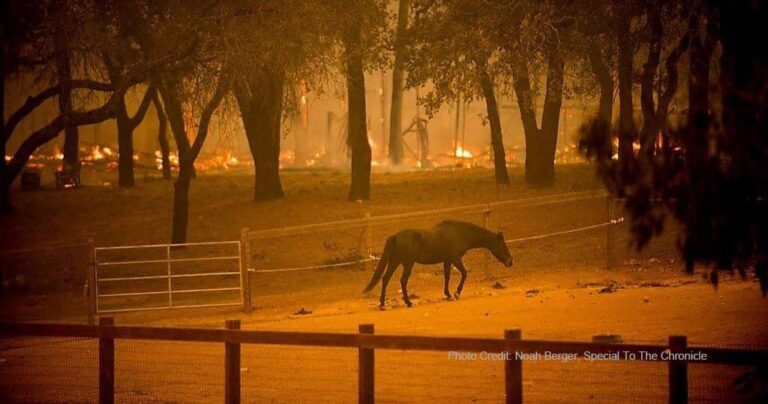
Remember; give your horses plenty of room to move. Past experience of bushfires indicates that horses will suffer minimal burns if given maximum space. They will gallop through flames, or around their edges, and stand on the blackened, previously burnt area and remain there until the fire has passed. Do not shut horses in stables or small yards. Never turn them out on the road. They will be in danger from traffic AND the fire. There is also the risk that they may cause a car accident.

The main fire-front usually passes relatively quickly (10 – 20 minutes in bushland and a few minutes for grass fires). There is little one can do during this time. While horses might gain confidence from the nearness of humans and a calming voice, you cannot provide this assurance when smoke is everywhere and the sound of the fire is deafening. Go inside the house and do not put your own life in additional danger. Your horse will cope well on its own if it has a chance to move in open space.

Just do it!

It has been shown time and time again, if you don’t take the above precautions within the next 24 hours, the chances are very good that you won’t do anything at all to prepare for a fire emergency.

After the Fire

Deal with spot fires first. As soon as it is safe check your horses for burns and other injuries to see whether veterinary attention is required.

Possible Problems

Horses commonly only suffer facial burns, presumably obtained when they turn and run through the fire front. Other possible injuries include burns to other areas of the body, smoke inhalation, damage to coronets, and burnt and swollen eyelids, which reduce effective vision in the short term. It is also important to check for other injuries sustained during the fire such as lacerations from running into fences etc.

The nature and extent of burns can vary widely between animals of different species, depending on the nature of the fire and the degree of exposure. Some may be more severely burnt than others in the same group. Situations, which may warrant emergency destruction on humane grounds include:

  • severe burns to greater than 50% of the body surface with severe charring of limbs, muscles or facial tissues.
  • animals suffering from severe smoke or flame inhalation resulting in acute respiratory distress, as shown by facial burns, laboured breathing, frothing at the mouth and nose, and coughing.
  • animals which are down and unable to rise due to injuries or burns sustained during the fire.

If an insured horse must be destroyed, make sure the insurance company is notified as soon as practicable.

First Aid

Veterinarians will most probably be working under emergency circumstances and communications may be disrupted so expect some delay before help arrives. You must therefore be prepared to monitor the progress of your horses and to administer appropriate first aid while you are waiting for professional assistance.

Skin Burns

Skin burns produce severe inflammation, indicated by heat, pain and swelling. Thus first aid must be anti-inflammatory, ie cold water delivered by a hose or gentle sponging if you still have access to a water supply. It is also important that horses have ready access to feed and water (if available), shade and to soft, even ground if their feet are burnt. The veterinarian will assess the degree and depth of the burns and treat accordingly. Treatment may include injections to relieve pain, reduce inflammation and prevent infection, and intravenous fluids may be given to counteract shock. Anti-inflammatory creams may also be supplied. Check all burnt areas regularly for fly strike. The horse should be kept warm and comfortable and coaxed to eat and drink. Careful nursing is of utmost importance to recovery. Horses with quite severe burns will often respond well to intensive treatment but this can be time consuming and very costly.

Smoke Inhalation

A common cause of death in fires and in the days afterward is complications from smoke inhalation. Severe smoke inhalation can cause delayed lung damage, which may not be immediately obvious. Horses may appear normal after the fire but in 3-4 hours can become anxious with rapid, sometimes laboured, breathing and an elevated heart rate. These horses need urgent veterinary treatment particularly if they have burns around the eyes, singeing of the mane and forelock, muzzle burns and a soot-stained discharge from the nose.

Re-entering Burnt Areas

Care must be taken re-introducing horses to burnt areas. There may be hot spots that could flare up without warning and partially burnt structures and trees may be unstable and suddenly fall over. Make sure the fencing is secure. Check for ash pits – areas where root systems have burnt underground – downed power lines and dangerous debris before turning horses out.

Develop and Practice your Fire Safety Plan Now!

The distress of having a horse burnt in a bushfire can be magnified by the lack of readily available first aid measures. This can be compounded if the fire destroys facilities and prevents any form of communication to seek help. Good forward planning will protect the safety and wellbeing of your horses if you live in a high fire risk area.

Carefully consider the needs of your animals when developing your household survival plan, develop your fire safety plan now and practise it regularly!

Reproduced with kind permission of the Queensland Horse Council Inc.


Recommended reading:

6 Ways to Improve Your Horses Resilience During Emergencies

The Cycle of Disaster Resilience


Feeding the Broodmare

Feeding the broodmare.

The feeding program of the broodmare is an important management aspect. Feeding can affect the fertility, milk production, and the skeletal development and growth of the foal. Understanding the nutritional needs of the maiden/barren, pregnant and lactating mare is essential for the development of a proper feeding program for all stages. In this article we discuss the preparation and nutritional requirements of the maiden, barren and pregnant mare.

Preparation of the breeding mare

The preparation of the breeding mare can be a challenging task and should not be planned last-minute. It is important to start the preparation of the breeding mare in an early stage prior to covering.

A preparation time of 4-6 months is advised to increase the chance of conception and to minimize the return to the stallion or the artificial insemination rates. For both the maiden and barren mare, it is important to start monitoring her general appearance, body condition and cycles. When a young mare (2-4 years) is prepared for the her first breeding season, it is essential to monitor her development, growth and condition more closely. However, many mares are destined for breeding on a relatively later age of life. The majority of these mares have already had a successful sporting career and, based on these performances, they are chosen to become a broodmare.

The pregnant mare also needs preparation before re-covering, but the pregnancy limits to an extent how she can be managed. Monitoring of the body condition of the pregnant mare is essential to avoid mares becoming obese at parturition.

At the beginning of the breeding season it is recommended that breeding mares are maintained in a moderate to moderate-fleshy body condition (Henneke body condition score of 5-6). A moderate body condition shows no crease or ridge on the back (flat). The ribs are not visible but can be felt. Neck and shoulders are in a smooth line with the body, and the tailhead begins to feel spongy. A higher condition (body condition score of 7-8) have no significant negative or positive effects on the conception rate, anovulatory period and numbers of cycles to conception of the mare. However, a thin body condition (less than 5) is known to impair a mare’s reproductive performance.

The maiden/barren and early pregnant mare

The maiden/barren and early pregnant mare have the same nutrient requirements as the mature horse at maintenance. During the first months of pregnancy the foetus is only small. At seven months of gestation the foetus is only about 20% of the foal’s weight at birth. However, with gestation progressing, more fetal and associated mammary and placental tissue will be synthesised, and this will slightly alter nutrient requirements after five months of gestation.

The early pregnant mare should be maintained in a moderate body condition. It is recommended to feed broodmares long-stem roughage at 1.0-2.5% of the body weight per day. On pasture, broodmares can voluntarily consume up to 3.0% of their body weight as dry matter daily. However, overfeeding the early pregnant mare should be avoided, as it may lead to obesity and foal difficulties. If broodmares are ‘good doers’ the access to high-quality pasture should be restricted. Exercise is important and assists with maintaining an optimal body condition and muscle tone. All mares should have the opportunity to be turned out daily. Riding is also a good form of exercise. Most broodmares can be safely ridden up to six months, but this may vary individually.

Broodmares should be offered supplementary feeds if they are kept on poor-quality pastures or high-oxalate pastures that have low availability of calcium, such as kikuyu. Legume/grass hay, concentrates and/or supplements can be fed to correct these nutrient deficiencies. Typically, a commercially-manufactured cereal-based or low GI concentrate or home-mixed ration with additional supplements, usually up to 0.5% of the body weight per day, can be sufficient to satisfy energy, vitamin and mineral requirements of the maiden/barren and early pregnant mare.

The mare in late pregnancy

After seven months of gestation, the nutrient requirements increase significantly. In these last four months about 80% of the growth of the foal in the pregnant mare takes place. The energy, and to a greater extent, protein, calcium and phosphorus requirements increase because of fetal tissue being synthesised.

It is common that mares in late pregnancy are overfed. Breeders should maintain mares in late pregnancy in a moderate to moderate-fleshy body condition. The main diet when feeding the broodmare should consist of quality forages (pasture and/or roughage). Roughage can be fed at 1.0-2.0% of body weight per day. Generally, mares in late pregnancy need to be supplemented with concentrates or supplements to meet nutrient requirements.

The protein quality and amount of amino acids, especially lysine, is very important in the diet of the mare in late pregnancy. It is recommended to feed a protein supplement such as sunflower meal, extruded lupins and/or soybean meal or a commercially-manufactured concentrate pellet high in lysine. If the broodmare is given good-quality forages, a high-protein concentrate can be fed up to 0.5% of the body weight per day. Broodmares offered poor quality forages can be fed up to 1.0% of the body weight per day. If the amount of roughage or access to pasture is reduced to prevent obesity, a high-protein concentrate can be offered at 0.5-1.0% of the body weight per day to meet requirements.

Always feed the pregnant mare an adequate amount of minerals. To meet mineral requirements, concentrates should contain added minerals or a mineral supplement has to be mixed into the feed. Inadequate and inappropriate levels of minerals in the diet of broodmares can cause abnormalities in the skeletal growth and development of the foal, a condition commonly known as Developmental Orthopaedic Disease (DOD). Especially calcium and phosphorus levels have to be sufficient and it is recommended to feed calcium and phosphorus in an acceptable ratio of 1.4-1.8:1. It is also important that trace minerals intake is sufficient. Trace minerals such as iron, zinc and copper are stored as a reserve in the liver of the foal and supplies the foal once it is born.

A selection of the National Research Council (NRC, 2007) recommendations of the daily nutrient requirements of broodmares in early and late gestation are listed in Table 1.

In summary, breeders should aim to provide all necessary nutrients in the diet when feeding the broodmare. Always take care that no overfeeding is happening when formulating the diet of broodmares, as this may cause foal difficulties. Proper feeding of broodmares throughout pregnancy and regular monitoring of body condition helps maintain fit broodmares and is essential for the development of healthy foals.

Download this article “Feeding the Broodmare” by clicking here [wpdm_package id=52444 template=”link-template-button.php”]