fbpx
Home Blog Page 16

Here’s How to Make Eventing Safer

There are known knowns, known unknowns and unknown unknowns” is a phrase US Secretary of Defense Donald Rumsfeld used in a news briefing in February 2002 when speaking about the lack of evidence linking the government of Iraq with the supply of  ‘weapons of mass destruction’ to terrorist groups.

I have to thank Mr Rumsfeld for coining this phrase which not only fits so well with the world COVID-19 crisis, but which I originally linked with the topic of safety in eventing. If the general public has learned one thing in 2020 it is that data are everything, but it is the accurate collection and analysis of data which will eventually resolve (and solve) the problems.

The key is in how we collect data

Eventing has been the most scrutinised of all horse sports in relation to its safety or lack of it, so, why don’t we know everything about risk in eventing? Perhaps the main reason is the way in which we collect injury data and what these data reflect.

Many studies concentrate on overall rates of horse-related injury, regardless of the cause or circumstances, and obtain their data from hospital admission records.

Unfortunately, hospital records mostly do not differentiate between recreational and sporting activities, let alone specific subsets of activity such as the cross-country phase of eventing.

Similarly, many studies concentrate on rates of specific injury in horse-related activity, such as brain or spinal injuries, and again, these studies are also usually based on hospital admissions data.

Overall, sports-related data are minimal and fragmented, poorly coordinated and sometimes varying in quality from one sport to another. Most telling, perhaps, is that there is no national data collection of presentations to GPs, EDs, or clinics. If your injury doesn’t warrant a hospital admission, it’s not counted.

Since some specific individual studies have shown that relatively few horse-related injuries require hospitalisation, hospital data represent an under-reporting of the overall number and extent of horse-related injuries.

The known knowns

At the least, we know that numbers alone are never enough.

Knowing how many people have died in the sport or even how many have been injured will not necessarily illuminate the topic in any useful way.

Unless we have some base lines against which to measure these numbers – for example, injury numbers calculated against participation rates; injury numbers calculated against numbers of jumping efforts; the circumstances in which riders and/or horses have died – unfortunately simple enumeration is never enough to tell us what we really need to know: what is the risk in the sport of eventing?

However, we do already know a great deal. Based on my own data, we know at least this:

We know how many eventing riders have died between 1993 and 2019.

During this time, 71 eventing riders died, 69 while competing, and 2 more while training or warming up for competition.

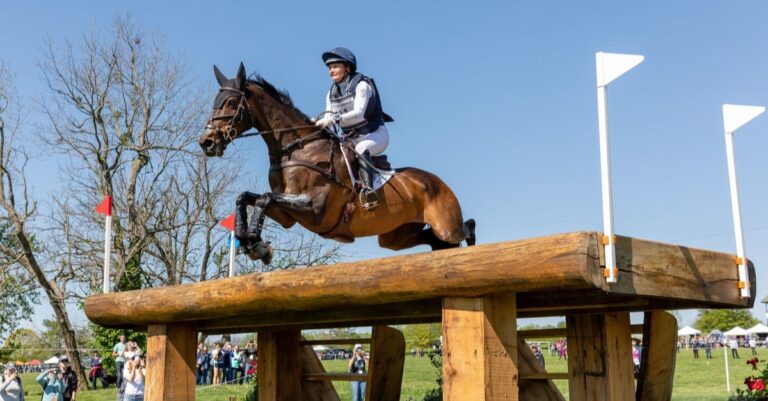
We know that the locus of risk in eventing is the jump itself, and the action of the horse jumping.

Between 1993 and 2019, we know of the circumstances in which 62 riders died while eventing. Only 3 of these fatalities did not occur at a jump.

We know whether the rider deaths resulted from a rotational horse fall.

This is perhaps the most significant known fact about rider deaths in eventing – at least 50 of these rider deaths were the result of a rotational horse fall, with 11 not being the result of such a fall. In 10 cases the circumstances were not reported. Put simply, 8 out of 10 rider deaths in eventing are the result of a rotational horse fall.

The good news is that recent Fédération Equestre International (FEI) data show a considerable reduction in the number of rotational horse falls over the period 2007 to 2018 – from 60 down to 28.

We know the ages and genders of the riders who have died between the years 1993 and 2019.

We know that 28 male riders and 43 female riders make up the total of 71 riders known to have died in eventing since 1993.

Their average age was 32, with a range of 20 to 64 years for males and 12 to 55 years for females. However, without participation rates by gender and age with which to analyse these differences, there is little that can usefully be drawn from this.

We also know the injury mechanism for most of the riders.

For riders, the most likely cause of death is from being crushed by the horse (44 out the 57 known causes of death), and this reflects the correlation between rotational horse falls and the high rate of associated rider deaths, since mostly riders who die as a result of a rotational horse fall are crushed by their horse landing on top of them.

We know something about horse deaths in eventing.

On the grounds that the safety of horses in eventing is also important, I have collected data on horse deaths dating back to 1998. I have not finished analysing the data, but three interesting trends have emerged so far:

  • Only about one in 10 rotational horse falls result in the death of the horse. Eight out of 10 rider deaths are the result of a rotational horse fall.
  • Nearly three-quarters of the horses which die while eventing are euthanased, either on course or shortly after the event.
  • These euthanased horses have predominantly suffered a fracture, mainly to a leg and/or to a leg joint, or to a shoulder (33 out of 45 known cases of euthanasia for a fracture).

The known unknowns

There are many gaps in our knowledge in relation to risk and safety in eventing.

We don’t even know how many horses there are in Australia, let alone the number of injuries resulting from horse-related activities, because there is no central national or international database on deaths or injuries.

We have no idea how many people are seriously injured in eventing.

The FEI collects these data and National Federations (NFs) do too, but they are not collated. This is a jurisdictional matter which could easily be resolved.

Currently, the FEI conflates data on serious injury and death in their annual report, and this is not helpful from a research point of view.

Given that the actual number of rider deaths at FEI level is relatively small (21 between 1993 and 2019), one must question why these numbers are ‘hidden’ in the category of ‘serious and fatal injuries’. Such conflation distracts from the issue of serious injury, and prevents relevant research.

We don’t know about increased risk for riders who have fallen once and ride again that day.  

We know that the risk is increased, but we don’t know by how much. There is research underway on this topic, and it should provide a valuable insight into risk mitigation and reduction in the future.

We don’t know how much environmental factors impact on unwanted outcomes.

We know that terrain, footing, light and weather all play a role in risk for riders and horses, but we don’t know by how much. The FEI is currently undertaking significant research on various factors in the sport which contribute to unwanted outcomes, including environmental factors, and again this should prove valuable in the future.

We don’t know the impact of course design on unwanted outcomes.

Is it possible to identify trends over time – super skinny fences, perhaps, tricky stride distances, extra challenging efforts in water complexes, – and determine what effect, if any, these course design trends have on risk? It will only be possible if we collect data. Observations without numbers cannot be tested.

We don’t know the effect of rule changes.

Only by measuring outcomes over time can we identify the effects of rule changes on risk. For example, the introduction of frangible pins at FEI events resulted in a brief and thankfully short-lived increase in the number of rotational horse falls. This seems counter-intuitive and unless there is research focussing on this specific unwanted outcome, we will not be able to explain this phenomenon.

Similarly, how can we measure the effects of other rule changes, such as those controlling speed, changes to rider and horse qualifications, controlling whip use, and the introduction of penalties for ‘breaking’ a frangible pin? We can only do this if we have data.

The unknown unknowns

Since these are unknown, it isn’t possible to describe them accurately, but we can take a guess.

So much contributes to a horse and rider combination even starting to compete cross-country, and so many additional factors contribute to that round being successful, or not.

Competing in eventing takes a certain type of person, and a certain type of horse. Getting the right two together is difficult, and we all recognise when it works – we see superstar combinations who take all before them, who can do no wrong. But when we analyse why certain combinations didn’t work, what questions might we ask? And can the answers assist in making for better outcomes?

Is it actually useful to analyse what makes a great combination work? Or why a particular outcome occurred? Is there in fact some magical, unmeasurable, unknowable quality which is needed before we have ‘safe’ eventing? Is ‘safe’ eventing even possible?

If we accept that safe eventing is not in fact possible, then there is a series of consequent questions which need to asked, even if they cannot be answered.

Some questions we might ask: How do we measure the contribution that coaching makes to a rider’s or horse’s skill and capability? How do we assess the rider’s frame of mind before a cross-country round? And does it matter? How accurate is the qualification system in assessing those who should be competing at the level for which they are qualified? How do we identify the outliers, those who despite everything else might crash and burn – or star? And always, does it matter?

The data are everything

We know a great deal about the risks involved in eventing and much has been done in recent years to identify and to minimise these risks.

We also know where there are significant gaps in our knowledge. At the same time, there is an enormous amount that we don’t even know that we don’t know.

Current research by the FEI and NFs, as well as academic researchers, should enhance our knowledge, identify gaps in that knowledge, and open up discussion about future areas of investigation.

We must remember that anecdotes, personal experience, memory and individual observations are not enough upon which to base policy and practice.

We should use science and data to interrogate every assumption that we make about riders, horses, officials, the courses themselves, the jumps, the terrain, the qualification system, the ability of the riders to actually do this eventing thing – everything.

Only data provide a good basis for developing good policy and good practice. The data are everything!

My background

I have been collecting data on risk in eventing for nearly 20 years. The paper on which this article is mostly based and which contains data up to 2015 can be found here.

Other links which provide background to this article are here and here.

I am conscious of the fact that data uses numbers, percentages, proportions, graphs and tables. This article will include references to the numbers of riders who have died while eventing. These riders, however, were not numbers, percentages, proportions, graphs or tables. They were people, and I apologise in advance if my discussion appears insensitive to this.

I am indeed deeply sensitive to this fact, as my data collection has involved reading news reports and coroners’ reports, and sometimes watching videos of the accidents, and each story carries its own tragic ramifications for these riders’ families and friends.

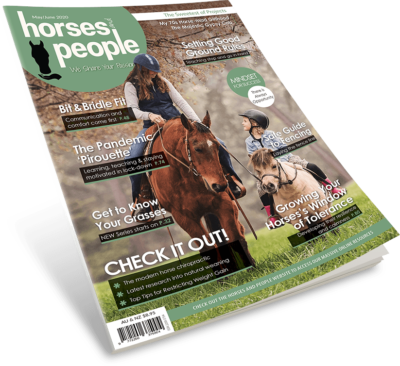
This article appeared in the May-June 2020 edition of Horses and People Magazine. You can order a copy here.
Horse Bit Fit: Comfort and Communication

We can’t change the world by helping one horse and rider but we can change the world for that horse and rider.

Over recent years, Horse Bit Fit consultants have placed a spotlight on the notion that bit and bridle fit must be considered as a routine part of every horse’s management.

Today, their reputation has grown around the United Kingdom and their consultants frequently work alongside other equine and veterinary professionals. Working with one horse and rider at a time, their expanding team have already helped thousands.

Horse Bit Fit is the brainchild of its founder Carol Cobbett. Carol has worked with horses all her life, from racing yards to show jumping on the national circuit and most things in between.

About 25 years ago, after noticing the immediate differences in the horses’ way of going when using different bits, she started one of the first ‘bit banks’ in the UK, the ‘Horse Bit Trader’. She undertook training with various lorinery companies (bit, spur and stirrup makers) and soon, horse owners started contacting Carol for bitting advice.

“Fitting of a horse’s bit and bridle should be given as much care and attention as fitting the saddle. It is also an aspect that may need to be reviewed as and when a horse and rider develop.”

She soon realised, however, that without seeing the horse in the flesh alongside the interaction between horse and rider, the best she could offer was explaining the mechanical action of the bit’s design, and that any advice given would not necessarily relate to that individual horse and rider combination.

A change in circumstances allowed Carol to go on the road and Horse Bit Fit was founded on the back of a camper van! Its mission, to visit any individual horse and rider that requested help with bitting, to safeguard the horse’s welfare and remain accessible to all.

In just around one year, Carol had almost 500 yards waiting for a visit and was feeling somewhat overwhelmed. Her reputation for a considered and ethical approach was increasing, and she tentatively advertised for assistance.

She was inundated with almost 400 enquiries, one from myself. I had already booked Carol to visit my six horses. I didn’t feel I was having any major issues but bitting fascinated me. I was eager to learn and wanted to ensure my horses were as happy as possible.

After spending the afternoon assessing my horses and making minor tweaks, Carol invited me into the arena whilst assessing my wife’s horses. I soon realised the interview had begun and, by the end of the session, it was clear we were both on the same page. She offered me a contract to work and train alongside her, and with further lorinery training, she passed me half the country to cover.

The more consultations we did, the more we attracted through word of mouth recommendation. Today, Horse Bit Fit is the UK’s largest group of bit and bridle fitting consultants. We have developed a comprehensive and independent training program and built a team of 13 highly skilled Bit Fit Consultants covering the UK and Ireland, with an additional one in Germany and a trainee in Spain.

Welfare foundations

Horse Bit Fit is founded on ethical principles and with a view to improving every horse’s welfare through paying attention to the individual fit of bit and bridle. We charge a flat fee for a consultation and we do not represent or make any gains through the sale of any products or particular brands.

Professional fitting of a horse’s bit and bridle should be given as much care and attention as fitting the saddle. It is also an aspect that may need to be reviewed as and when a horse and rider develop.

Our consultants believe in the principle of ‘communication not control’. The bit is not a ‘handbrake’ and the bridle should be comfortable and not restrict the mobility of the horse’s jaw or poll flexion. There is no substitution to correct and considered training, nor short cuts to achieving this.

The horse is the client

During the consultation, the horse is viewed as ‘the client’ and it is their reactions and behaviour changes in relation to bit and bridle fit that are assessed in detail.

Significant changes can occur quickly during a consultation and riders are often surprised at both, the dramatic improvements that can be seen and the riding, training or remedial issues that we reveal in the process and require additional attention.

For example, changing a bit or bridle fit can have noticeable and immediate effects on a horse’s balance and self-carriage, through an improved ability to flex at the poll and relax the jaw. It can significantly improve a horse that is ‘bridle lame’ but may also unmask compensatory movement patterns and/or lameness.

We now know that the bit’s physical influence and affect go well beyond the traditional thinking of its action on the structures of the mouth and head. Poor bit and bridle fit can have detrimental affects throughout the horse’s body that, in turn, often lead to behaviour problems.

An apparently spooky horse can settle quickly because increasing their comfort reduces the ‘trigger stacking’ effect (see the article by Dr Kirrilly Thompson on the ‘Growing Your Horse’s Window of Tolerance’).

Horses that are thought to be strong or reactive and forward going can become light, more responsive to the aids and more rideable as they relax and their flight response dwindles.

A whole-of-horse approach

Clients are often surprised by the attention to detail and thorough process that consultants undertake during the bit and bridle assessment.

We take a whole-of-horse approach by focusing on the individual anatomy, biomechanics and comfort. In addition, we pay attention to other aspects that influence the contact including, conformation, foot balance, dental issues, previous injuries or problems, saddle fit and balance, along with rider ability, independence of seat and hands, rider fitness, level of training and discipline.

The company’s consultants’ additional skills help in running the organisation. As well as bit and bridle fitting, we have consultants who are also qualified saddle fitters, an equine physiotherapist, equine body work and massage practitioners, a McTimony Equine Chiropractor, an Equine podiatrist, Equine Craniosacral Therapist, Biomechanics Specialist, Classical Dressage Trainer, British Dressage Judge, British Horse Society Trainers, Intelligent Horsemanship Trained Consultants, NLP Coach specialising in rider confidence, an archaeologist with a specialist subject in ‘horse furniture’ for a historical perspective, as well as a chartered accountant, marketing and social media specialist and, myself, a medical doctor.

Horse Bit Fit consultants have a thorough understanding of a wide range of bits and bridles currently on the market. We assess every bit and bridle we recommend in terms of its design, quality and intended effect. We do not carry every bit from every manufacturer, nor will we recommend certain designs we feel are inherently poor or detrimental to a horse’s welfare or biomechanics.

Manufacturers have different approaches to lorinery. Some believe horses should feel mainly tongue pressure and others believe horses should get tongue relief. Some manufacturers say horses should ‘progress’ through a range of bits as they become more advanced in their training. Others market bits to be used for ‘faster work’ or give their designs appealing sounding names to imply they are better for your horse.

Most importantly, in a Horse Bit Fit consultation there is no ‘one size fits all’ approach. When you closely study an individual horse, their anatomy and how they respond during the consultation, traditional bitting precepts like the ones mentioned above or the well-known ‘two-wrinkle rule’ are put aside.

Bitless option

Recognising that every horse is an individual means acknowledging there is a cohort of horses and riders for whom a bit is neither desired nor suitable. That’s why Horse Bit Fit consultants will happily assess, fit and advise on a range of bitless bridles.

We carry the same approach to assessment and welfare through these consultations and will not recommend bridles that can be viewed as severe in their design and action or go against the Horse Bit Fit philosophy.

Any bitless bridle, while needing to provide functional and clear communication to the horse, also needs to adhere to anatomical design principles so as to avoid causing undue pressure on nerves, blood vessels and other delicate structures.

The ‘one size fits one’ approach is the secret to our continued success to improve the welfare of ridden horses.

The consultation process

When we first meet a horse and rider, we start by undertaking an assessment in the stable, untacked.

This involves initially taking a detailed history of the horse, its routine care and any ailments or injuries in the past or present.  We seek to understand the reason why they have booked the consultation – the problems the owner/rider are experiencing and their perspective of the issues.

Understanding the rider’s ideas, concerns and expectations at the outset enhances the communication during the consultation. In addition, paying attention to the language riders use when they describe their horse’s behaviour provides an insight into their level of understanding and point out if we can provide educational support during the consultation process.

We physically examine the horse, paying particular attention to their head and oral anatomy, general conformation and development. We look for any problem areas in relation to bit and bridle fit, and any physical reactions of the horse.

We assess the horse’s current bit and bridle fit in the stable, and relate this to our physical findings and the rider’s reported issues. We discuss whether it suits the horse’s anatomy and often at this point, we are able to explain to the rider the underlying reasons for the problems they are experiencing.

The mouthpiece is for the horse

We view the bit as a mouthpiece that needs to conform as well as possible to the internal structures of the mouth.

There is generally less room inside the mouth than people expect and often, a horse will display subtle but significant signs of discomfort that the rider has dismissed or ignored, believing instead that their horse has certain quirks that are part of their personality.

We then move on to the ridden part of the consultation. This helps confirm what we are already expecting to see as a result of the stable assessment and to assess the rider’s influence on the horse.

For the ridden part of the consultation, we will always remove tight or restrictive nosebands. This serves several functions.

Removing restriction and pressure from the jaw and poll may, in itself, improve the horse. It also isolates the action of the bit and gives the horse an opportunity to ‘speak’, that is, to behaviourally express what they ‘think’ about the bit. They do this by opening the mouth, putting their tongue over or out, etc.

Behaviours like these provide vital information on the horse’s preferences and how much they understand about the rider’s aids. It also suggests a way forward since our aim is to remove and/or reduce pressure from bit and bridle on facial and oral structures.

We then move on to trying different bits and/or bridles as required, but our selection of options is not random.

The skill of the consultant relies on their ability to make a detailed assessment and their knowledge of the bits and bridles available. Usually, by the end of the stable consultation, we have a good idea of what will work for that horse anatomically. Seeing the horse ridden provides further information regarding the interaction between horse, rider and bit. This means that, in most cases, we can select the correct bit immediately, instead of using trial and error or having to change the bit too often, both of which serve the horse poorly.

Finally, horse and rider are given adequate time to try the recommended bit and bridle combination as well as assess the changes in the horse’s way of going. Allowing for discussion, questions and feedback from the rider should clarify the final choice, and improve the rider’s understanding and knowledge of their horse in relation to bit and bridle fit.

At the end of the consultation they receive a full written report with recommendations going forward.

It’s important to reiterate that we always fit a bit without a restrictive or tightly fitted noseband. If a rider needs to use a tight noseband, they are masking a bitting, training or contact issue that needs to be addressed in other ways.

Sharing the knowledge

Horse Bit Fit has taken off beyond our expectations and the huge progress continues to this day. Carol has finally moved out of her camper van to run online courses and develop the business from her base in the Highlands of Scotland, while her team of highly skilled Bit Fit Consultants continue to make a difference to each and every horse and rider they meet.

Horse Bit Fit has developed a comprehensive training programme for consultants and has achieved External LANTRA Accreditation. (LANTRA are the UK’s leading Awarding Body for Land Based and Environmental Skills Courses.)

We regularly provide training and CPD days to other equine professionals, the BHS, equine colleges and riding clubs. We carry out public talks and demonstrations on bitting and actively promote welfare in relation to bit and bridle fit. All of our talks hold CPD Accreditation for professionals in the UK.

We also seek to further educate and inform the general equine community regarding bit and bridle fit. To this end, we have designed and run an online course that is accessible to anyone through our website.

The Horse Bit Fit Basic Knowledge Course is UK Rural Skills, LANTRA and CPD accredited depending on the learner’s needs. It is open to the general public, seeks to inform, helps to dispel some common myths and teaches our approach to bitting and bridle fit.

Enrollment on the course is available throughout the year and details are available at www.horsebitfit.com.

This article appeared in the May-June 2020 edition of Horses and People Magazine. You can buy a copy here.

The Modern Horse Chiropractic

When you hear someone talk about chiropractic treatments for horses, do you visualise a big bloke pulling or pushing on a horse, cracking joints or bumping your horse with a rubber mallet?

Yes, chiropractic treatments used to be like that because people believed it necessary to use force to adjust an animal that is so muscled and large, but that was then…

Thanks to research undertaken and the experience gained over time, we now know that a horse can safely and effectively be adjusted with very specific low force, high speed adjustments.

I am often asked to describe exactly what a chiropractic treatment is and why it might be important to get a horse checked. Well, imagine this…

You are riding along a nice trail having a lovely time when your horse, all of the sudden, stumbles and you both end up on the ground. This could happen at the walk, trot or canter. It could happen jumping, mustering, in a dressage arena or any other equestrian sport. Either way, it is not fun, it is potentially dangerous or even deadly.

Why would this happen? And what does that have to do with chiropractics? Let’s look a bit closer.

A joint should move within its physiological range of motion – the normal range of a joint or how far it can extend and flex. If, through injury or too much or not enough movement, the muscles and other soft tissue around the joint restrict the range of motion of that joint we have what is called a subluxation.

This refers to the joint not being able to move in the way it should. The restriction is usually not caused by the joint itself but by the nervous system, as a protective mechanism when there is an injury. You can think of it as the brain telling the tissues around the joint to hold tightly and protect the area.

This, in turn, can place pressure on the nerves that travel through that area, compromising the signals they carry.

If, for example, we have one area of the spine not moving correctly and the signals don’t get to and from the leg quickly enough, it can cause the stumbling in the scenario above.

So, effectively, a subluxation is not a joint problem but a protective mechanism from the central nervous system (CNS) to protect the body from further harm.

As chiropractors, we learn how to recognize these restrictions and how to deal with them. The latest research indicates that our adjustments are basically a neurological reset. We do not really treat the joint but we try and tell the brain that the protective tension in the affected area is no longer needed.

Treatments like acupuncture or soft tissue releases can also help with subluxations because they also reset the nervous system and help release the tension in and around the affected areas.

Probably the best explanation I have heard is that all chiropractors are functional neurologists but let me explain the reason why.

The body is controlled by the central nervous system (CNS) and the peripheral nervous system (PNS).

The nervous system tells every part in the body what to do, how to behave and where in space you are.

It will, for example, tell the body that you are walking on uneven ground, at what speed you are travelling, and what leg is on the ground.

It will also give the body information on the outside temperature, if the body needs to produce more heat, if it needs to start cooling down, and if you need food or water, etc.

The nervous system controls everything. This is where the chiropractic treatment comes into the picture.

The CNS consists of the brain and the spinal cord, it receives and sends signals to keep the body functioning. For the signals to reach their destination the spine needs to be articulating freely. If the spine becomes restricted in its movement, the nervous signals can be compromised and the information to and from the CNS might not get to where it needs to in time.

So, when the horse in the scenario above stumbles, it might be because the signals telling the horse where the legs are in space and whether the ground is even or uneven, do not reach the brain fast enough for the body to react.

Modern chiropractics

The reason why modern chiropractics have adopted a more subtle approach is that high impact treatments and forced manipulations can generate a number of issues. First, we can cause damage to the tensed soft tissue that protects the area of concern. Next, it is highly likely that an adjustment will not last because the joint is not the problem, it is just a symptom of what is going on around it.

Muscles have what is called a ‘muscle memory’ and will tend to return to the level of tension they had before the adjustment. This means that if we achieve an adjustment through force, we might need to go back and adjust that joint over and over again as the issue keeps coming back. Not only does this cost time and money, it can, over time, also damage the joint capsule and cause further injury to the supporting tissue around the joint.

Another potential issue of high impact chiropractics is that when older animals with arthritis are adjusted, the adjustment itself can cause injury to the joint as it was compromised to begin with. High impact adjustments can also cause severe bruising and even dislocation of a joint, especially when performed on smaller animals. This can lead to permanent pain, damage and even the need to euthanize the animal as the damage can be too severe to repair.

To avoid these issues, the adjustments that are taught in the more modern chiropractic schools are high speed, low impact, very specific and do not cause any harm if used correctly.

So what are the signs that your horse might need an adjustment?

We looked at the scenario of the horse stumbling while you ride. This is only one of many signs that the horse would benefit from a chiropractor.

Other problems you might encounter when dealing with horses are biting, kicking, bucking, rearing, bolting, cold backed, stiffness, colic, dental problems, head shyness, head shaking, fear and anxiety, aggression, difficulty engaging the hind end, unable to maintain stable rein contact, uneven muscles, muscle atrophy and lameness.

There are many more signs that your horse needs an adjustment, but you can get the picture – most behaviour problems should be investigated from this perspective.

Another interesting one is when the horse is slow to react to your aids, especially when they are normally very responsive but you start to find he takes a few strides between when you ask and he responds. This could be a sign that the signals from the nervous system are travelling too slowly and delaying the horses reaction to the aids.

Chiropractic treatment of a horse should not require high impact adjustments but rather it should be done with a specific technique at high speed and low impact.

The well-trained chiropractor would have obtained a high level of training and knowledge. So, next time you get your chiropractor out, ask some questions about their qualifications and why they treat the way they treat. Chiropractics is not about ‘cracking a joint’ but a treatment of the neuromuscular and skeletal system of the horse and it needs to be done correctly.

This will ensure that the treatment offered will help improve your horse’s quality of life – that’s what it’s all about.

To learn more about recognising pain, read my article: The Subtle Signs of Pain, which was published in the Jan-Feb 2019 edition of Horses and People. To read it .

Equestrian Australia Forgot it’s About the Horses and the People

0

Last Monday, Equestrian Australia’s Board of Directors placed the company into voluntary administration following the withdrawal of funding from Sport Australia, the body that oversees the governance of all sports.

In this opinion piece, Denzil O’Brien, a former EA Chief Executive Officer, weighs in on some of the structural failures that have led to the catastrophic loss of its licence to operate.

I feel sad and disappointed about the current furore around Equestrian Australia (EA).

I was the CEO of the organisation from early 1996 to early 2001 and was privileged to be in the chair when Australia’s eventing teams won Gold Medals at two Olympic Games, including one on home soil.

My memories of the win at Sydney are among my happiest. Of course, I contributed very little – probably nothing – to those victories, but nonetheless I was happy to bask in the reflected glory.

During my tenure, EA (then the Equestrian Federation of Australia) began the process of ‘reforming’ the organisation to align it more closely with the governance requirements of Sport Australia, then the Australian Sports Commission.

The federated system (which forms a national Board from State representatives) was viewed as old-fashioned and clumsy, and not adequately representative of the actual members, who were technically members of a State Branch, not of a national organisation.

As I recall, our funding was at least implicitly tied to reformation into a nationally structured organisation, with a ‘skills-based’ Board. What that meant in practice was that EA’s Board should be made up of people from industry, business, accountancy, the law, whatever, but not necessarily from a horse-related background, and that they should be elected by the ‘national’ membership.

During my tenure various significant changes were made to the structure of the organisation, at the behest of Sport Australia. No matter how you looked at it, EA members were still members of their State Branches, and not members of a national organisation, since no pathway to membership of a national organisation existed.

To get around this, EA was set up as a company, and the ‘members’ of EA were defined as the Branches themselves, thereby theoretically providing a pathway for the real members – the riders, the horse owners, the coaches, etc. – to become members of a national organisation.

I was always aware during my tenure, that EA struggled to be seen as providing tangible benefits to members, because the national organisation was too far removed from the base: events were run by the States, members and volunteers were members of their State Branches, their horses were registered with their State Branch, and there was a perception that the only thing the national body did was take members’ money, via the Branch membership system and various levies, to run the High Performance system, manage a national coach accreditation scheme, and provide a national insurance scheme for members, coaches and clubs.

I was almost certainly unsuccessful in altering that perception, which I regret.

After I left EA in 2001, I did retain a strong interest in what was going on, (including briefly re-joining EA as an associate member so I could be appointed as chef d’équipe for a jumping team to India, self-funded of course) and happily observed the successful stewardship of Franz Venhaus as CEO.

As I understand it, Franz oversaw a significant increase in memberships and left EA with a healthy bank balance.

After Franz, I have only observed an organisation that appears to be internally conflicted and lacking any clear direction. Board members have come and gone; CEOs have come and gone. And now EA has gone.

I was astonished to discover that the Constitution has not been changed at all since 2010, which is a bad sign for any organisation.

Constitutions are living documents and should constantly be amended to reflect changing circumstances. I was further astonished to discover that EA members are still members of their Branches, that there is still no national membership, and that the ‘skills-based’ Board has often included people with absolutely no knowledge of the horse industry, let alone horse sport, or indeed horses.

So what next?

In the immediate, there are clearly two significant things that need to happen; first, members need to be reassured that their member benefits and entitlements are secure; and second, the relationship between a now non-existent peak body and the international body, the FEI, must be re-established in a way which secures the pathway for our international competitors to the next major competitions. In a way, COVID has been a blessing for EA, since there are no competitions worldwide. This may be dampening the voices of frustrated riders clamouring for reassurance about their competitive futures.

Ultimately though, the most pressing need is for EA to be restructured in a way which allows members to actually belong to EA, and to have a direct voice in the way in which the organisation manages their money.

I don’t pretend to have even the remotest idea of what that structure might be, except that I do think that there may now be an opportunity to do away with State Branches altogether, provided that there are clear lines of communication between the members, the disciplines and the national body.

Currently, the State Branches are not really branches of a national organisation except in name only, as they often act independently, have different rules, charge different fees for different things, and basically run as they like.

If the State Branches are to be retained, they need to operate uniformly and consistently. For that to happen, a truly volcanic restructuring will be needed, and the members’ input will be vital.

I note that many other people are calling for strengthening the role of State Branches, with the national organisation retreating to a more figurehead role in order to maintain EA’s FEI and Olympic affiliations.

It is precisely these differing opinions which need open and frank discussion.

So, I am sad and disappointed because I had the opportunity to work with real horse people, the elders of the sport if you like, whose opinions helped guide the organisation along that tricky path that winds through the occasionally opposing forces that surround it.

Sure, there were disagreements, at Board level, at Branch level, and among the members. When I read much of the current online material which alleges an organisation-wide culture of bullying and harassment, I feel even sadder. Perhaps social media has brought this to the fore, but I really hope that this culture is not as endemic as it is portrayed.

I observe that EA seems to have forgotten its members in recent years, and perhaps more importantly, they have forgotten the horses.

After all, it is all about the horses and the horse people, isn’t it?

Equestrian Australia Placed Into Voluntary Administration

Equestrian Australia in voluntary administration

Equestrian Australia has gone into voluntary administration to avoid insolvency, following the withdrawal of funding by Sport Australia.

The peak body has, over the last couple of years seen a continuous erosion of trust and legitimacy, questioned by its own members for failing to serve their interests and uphold its own vision, purpose and values.

The announcement comes a month after EA’s chair Ricky McMillan and former board member Gillian Canapini resigned from the board.

McMillan, an Australian Olympic dressage rider and judge, had joined the EA Board in November 2019 with a vision to change the organisation’s culture and re-build members’ trust but left saying change was unobtainable with the organisation’s current structure.

Combined with the impact of COVID-19 on their forecast revenue and loss of funding, the organisation says it was at risk of trading insolvently.

“Clearly, the current EA model does not work. The intent of entering Voluntary Administration is to avoid insolvency, which would be disastrous, and to create the conditions for a successful and sustainable equestrian community into the future.”

The EA High Performance (HP) program that supports the teams still in training for the Tokyo Olympics, which were postponed to 2021, will now be overseen by the Australian Institute of Sport (AIS).

“The program will continue unabated in pursuit of equestrian gold at the upcoming Olympics. We have been advised that there will be no change to HP staffing arrangements.

“The Administrators will take control of the remainder of EA. The constitution is effectively set aside in favour of their powers under the Corporations Act. The operations of EA continue without change at this stage and there is no planned loss of jobs.

“The Administrator will work with the creditors of EA to determine the conditions for exiting Voluntary Administration.

“This process is intended to be rapid, envisaged by the Corporations Act to take about a month. This will enable EA to rebuild as a viable, representative, democratic and stable national sporting organisation that is retuned to a focus on sport as quickly as possible.

“In our sport of so many diverse interests, rarely do our branches, committees, and members share a cohesive view. Disagreement, however, should not be destructive.

“We should strive to improve the structure, the culture, and the performance – all in the interests of greater opportunity, participation and enjoyment.”

EA is entrusted with the administration of equestrian sport in Australia at every level, from promoting participation in horse-related activities, to managing the Olympic and Paralympic teams.

The current Directors have agreed to work with the Administrator to rebuild the organisation as quickly as possible.


Webinar: Tongue Ties and Tight Nosebands

Noseband tightness in competition is a hot topic that is high on Equestrian Canada‘s agenda. In the process of revising the rules, this equestrian federation invited Professor Paul McGreevy to explain the science.

Scroll down to watch the webinar…

A riding instructor, veterinarian and ethologist, Paul McGreevy is Professor of Animal Welfare and Behaviour at the University of Sydney.

His informative talk highlights the concerns of using tongue ties and restrictive nosebands in the context of the horse’s welfare and maintaining horse sports’ social licence to operate – a term that refers to the public’s trust that we are treating sport horses in an ethical manner.

Combining tongue ties and nosebands in this webinar might seem surprising, since tongue ties are only used in horse racing and already banned in all the sports overseen by the Canadian equestrian federation. Nevertheless, as the presentation progresses and Prof. McGreevy reviews the most relevant scientific findings, the analogies between the practices become clearer. They both must be questioned on ethical grounds because they restrict normal function and behaviour, and deny the horse a voice.

Progress is being made, but are we acting fast enough to protect the reputation of our sports?

Some horse racing jurisdictions are reviewing tongue tie rules or have already banned them, while a few forward thinking equestrian federations have introduced rules that require a minimum spacing is achieved under the noseband strap. However, Prof. McGreevy says the general trend within the sector is to demand evidence that the horse pays a cost for wearing such restrictive equipment, rather than act proactively on ethical issues observers may have with denying horses the opportunity to yawn, lick, chew and swallow.

“It saddens me that demanding these pieces of evidence fundamentally erodes our social licence to operate and even questions our having a voice in how we treat our horses because we’re so conflicted by our own interests” said Prof. McGreevy in answer to a question by the Health and Welfare committee member.

“The evidence of damage done [by these practices] will emerge, but as our own worst enemies, horses will always habituate to aversive practices and make abuse appear okay. Just because you can do something to a horse does not make it okay.”

Enjoy this visual and informative 45 min presentation – don’t let the poor sound quality of the introduction put you off. The webinar starts 2.5 mins in and is highly recommended.

Fast Referral Gives Horses The Best Chance For Surviving Colic

HEALTH REPORT

SPONSORED BY Fitton HorseInsure

Surviving Colic

He’s down. He’s rolling. He’s up! … And, down again. Oh no, and now he’s got that look. The one that tells you, yeah, this seems pretty bad.

For horse owners, few situations create more anxiety than finding your horse in the throes of colic. You call the vet, you wait, and you watch. And you think of all the possibilities, all the unknowns….

Some research groups are helping owners and veterinarians better predict those unknowns, fortunately. By sifting through the various factors, like how the horse is acting and what kind of colic he has, scientists are starting to make some connections between those factors and outcome.

This was important in their study location where the average arrival time was 16 hours after colic started – probably due to the long travel times.

Fitton HorseInsure the specialists in insurance for equestrians

However, interestingly, if the horse reached the 36-hour mark, he actually stood as good a chance of survival as before the 12-hour mark. For horses undergoing surgery and surviving the surgery itself, chances of survival seemed equal across horses regardless of how long colic had lasted before surgery, added Dr Biermann.

“One of the reasons for doing this study was that we were seeing colic patients in really bad shape by the time they arrived in the hospital, and referring veterinarians who were doing a good job in working up the horses but seemed frustrated when those cases were euthanized quickly after arrival in hospital,” she said.

“I do think that has a lot to do with the remote location and the long travel times that cannot be changed,” continued Dr Biermann.

“But I would like to encourage owners and veterinarians to continue to try, because we also see a lot of cases that do well with intense medical therapy or surgical intervention. There are many severe cases that have a fighting chance and go back to normal life, and you can’t know if you don’t try.”

That’s true even for small intestine lesions, according to Biermann. Although these lesions have historically been associated with poorer prognosis, in some ways the statistics have to do with more owners opting for euthanasia when the diagnosis is related to the small intestine.

“Particularly with quick referral and a short duration until surgery is pursued, those horses have a reasonable chance –I feel closer to somewhere around 75-85% chances of survival,” she said.

“But it has to be recognized that due to the much more common need for bowel resection, small intestinal lesions come with larger expenses for the owner, which surely also plays a role in decision making. Personally, I encourage owners to go for surgery even when it is clear that it is a small intestinal lesion and likely needs resection, if finances are not a huge concern.”

In their study, the best outcomes came from neither small intestinal lesions nor large intestinal lesions, but from no clear diagnosis at all. When diagnostic procedures like ultrasound revealed nothing remarkable, and the cause of the colic could not be found, the horses generally improved with good hospital care and medical treatment, especially if the other factors like age, weight, severity of signs, and duration of colic were more favourable.

“If the cause of colic is suspected to require intense medical or even surgical treatment and referral is an option, fast referral is the best chance for the horse to survive, even in remote areas,” said Dr Biermann.

Clinical Findings, Diagnoses, and Outcomes of Horses Presented for Colic to a Referral Hospital in Atlantic Canada (2000-2015) by J.M. Kaufman, O. Nekouei, A.J. Doyle and N.M. Biermann is published by the Canadian Veterinary Medical Association and can be found at:

This article, titled “Fast Referral Gives Horses The Best Chance For Surviving Colic” was published in Horses and People May June 2020 magazine.

Equitation Welfare Workshop: Online Event

Equitation Science

Equitation Welfare Workshops: An online event

‘Agency and its effects on the sport horse’ with Dr Andrew McLean (Equitation Science International) is an online event that will take place on Saturday 1st and Sunday 2nd August 2020.

The workshop will serve as a warmup event for The Happy Athlete Conference which has been postponed until 2021 due to COVID-19 restrictions.

To find out more, click here.

The brainchild of Equicoach Lisa Ashton, the Equitation Welfare Workshop’s programme will allow participants to delve into positive mental states and how we can facilitate those in a sport horse context.

As our understanding of horse welfare evolves, more emphasis is being placed on the horses’ experience – how they feel about our management, training and all our interactions.

After decades focusing on minimising the negative impacts of domestication, equitation and welfare scientists have set their sights on positive welfare – providing all captive animals with opportunities to have positive experiences.

Dr Andrew Mclean will present the most recent advances in equitation welfare and the workshops will allow you to contribute to its evolution and implementation in practice.

Horses and People magazine will be reporting on the event.

Hosted by Reaseheath College, the event will be delivered online using Zoom and feature breakout rooms so participants can fully engage with collaborating in small teams with other horse lovers.

Numbers are strictly limited to just 30 per day and the cost is £50 per workshop.

When you buy your ticket you will have the opportunity to select your preference to collaborate with other coaches, veterinarians, therapists, breeders or riders.

At the end, you will have been part of creating an eBook titled ‘Equitation Welfare: Agency & The Sport Horse’ aimed at helping more horse lovers find ways to facilitate a good life for their horses, not just one worth living.

Tickets are limited and will be on sale soon.

To find out more join the Facebook Group and stay tuned for tickets so you don’t miss out.

Knowledge – Creation – Collaboration

To find out more, click here.


International study on the effect of COVID-19 on horse owners

Researchers around the world have teamed up to determine the impact of the COVID-19 pandemic on horse owners and their animals.

Using separate online surveys, the international research team is collecting qualitative and quantitative data to investigate the varying effects of the pandemic at different moments in time in Australia, New Zealand, the United States and United Kingdom.

The study is led by three world-renowned academics. Dr David Marlin, Adjunct Professor in Physiology at Oklahoma State University and Dr Jane Williams, Head of Research, Department of Animal and Agriculture at Hartpury University are studying the responses within the United States and the United Kingdom, while the Australian and New Zealand part of the study is led by Associate Head of School and Associate Professor of Equine Science in the Charles Sturt School of Animal and Veterinary Sciences Dr Hayley Randle.

The first survey measured reactions to factors such as whether owners were able to keep their horses at home or at agistment, whether owners could still visit their horses, whether horses could still be ridden, changes in services from vets, farriers, dentists, and ongoing and future costs.

1207 responses were collected in Australia (680) and New Zealand (527), between 30 March and 3 April.

The preliminary results have revealed concerns in four main areas:

  • horse activity within the industry (training, leisure riding, competing),
  • horse management,
  • health, horse welfare and
  • human well-being.

Before delving into more detail, it helps to place the preliminary results of the first survey of Australian and New Zealand horse owners within the context of the evolution of the pandemic in both countries.

Australia reported its first case of COVID-19 on 25 January and on 27 February, the prime minister activated the Australian Health Sector Emergency Response Plan. During March, the number of daily confirmed cases increased, peaking at 460 new daily confirmed cases on 29 March. During March, restrictions were tightened but guidelines differed between states, with school closures and a nationwide ban on public gatherings announced on 29 March. Horse racing has continued uninterrupted (without public attendance) and, while equestrian events were being cancelled throughout March, it was on 1 April that Equestrian Australia announced a total suspension of activities.

New Zealand reported its first case of COVID-19 on 28 February and had already set up the National Health Coordination Centre in response to the outbreak one month earlier. All borders and entry ports were closed to non-residents on 19 March. On 21 March the government introduced a four-level alert system that was similar to the existing fire warning systems. On 25 March, New Zealand implemented a level 4 nationwide lockdown restricting all activities, asking that everyone stay home and act as if they had COVID-19.

Dr Hayley Randle says work is underway to publish the findings from the first survey and, while quantitative data are not available at this time, she was able to provide a summary of the Australian and New Zealand responses.

“Horse owners have real concerns about both current and future shortages in feed and other things necessary for looking after their horses. For Australians, this comes on top of a long drought and the devastating bushfires” Dr Randle said.

“They are also worried about access to horse care-related professionals, primarily vets and farriers, but also a wide range of other people who help to keep their horse going.” According to Dr Randle, New Zealand respondents were particularly concerned that at that time, farriers were not deemed an essential service.

An overwhelming number of Australian participants indicated they wanted a more consistent guide for what they could and could not do, such as interstate travel to care for horses or clarity around horse racing.  In contrast, New Zealand respondents were reasonably happy regarding guidance for what they should and should not do, however, they didn’t feel it was fair that other ‘fresh air’ sports were permitted whilst horse riding was not.

Australian horse owners were generally more concerned that financial implications of the pandemic will affect their ability to keep their horses than their New Zealand counterparts. This concern also extended to those running a horse-related business, and the general uncertainty may have also influenced a higher concern from Australians in regards to human mental health and wellbeing.

Respondents in both countries reported they were modifying their behaviour to comply with restrictions and reduce risk of hospitalisation.

“A lot of people have put themselves under self-imposed restrictions and stopped doing things such as riding young horses and jumping, because they considered these more risky,” Dr Randle said.

“Those who normally compete their horses were very worried about the loss of opportunities to do so and the impact that has on long-term horse fitness and also for resale value.”

Businesses and owners were concerned the financial implications of COVID-19 would impact decisions they make and affect their ability to keep their animals in the future.

In addition to the effect the pandemic has on the mental and physical health of horse owners, they also indicated they were worried the COVID-19 restrictions would impact horse health and welfare.

On a positive note, those horse owners that kept their horses at home felt relatively unaffected by restrictions and some were even thankful for the opportunity for more frequent and improved interactions with their animals.

“It is amazing how many people who are able to keep their horses at home expressed their gratitude for not their having access to them restricted due to the kinds of necessary social distancing measures being imposed in other places, such as agistments,” Dr Randle said.

The next survey for Australian and New Zealand horse owners will be issued on 30 July.

In the court of public opinion, would your equestrian lifestyle win the trial?

In the court of public opinion, would your horse sport and equestrian lifestyle win the trial?

Earlier this year, the FEI Dressage World Cup legs in Amsterdam and Wellington treated us to a spectacle of some of the world’s most talented horses and riders really pushing the boundaries of the sport. Along with the passage, piaffe, glitter, lights and ribbons, however, comes an inevitable wave of public opinion…

On one hand, many celebrate the sport of dressage, seeing it as ‘ballet on horseback’, buoyed by Charlotte Dujardin and Valegro’s Olympic successes. On the flip side, however, my social media feeds are being increasingly filled with images of grotesquely overbent horses in crank nosebands and tight curb chains doing the bidding of their ‘puppeteer’ riders.

Social opinion is fickle, powerful, and oh so very real. ‘If we don’t make real changes, the court of public opinion will bury racing’ commented Lee Freedman, an Australian Thoroughbred racehorse trainer, following last year’s exposé on the horrific treatment of retired racehorses in Australia.  The ABC documentary, showing stomach-churning footage of the undignified and cruel fate of once magnificent horses, sent shockwaves through the world. It caused many to question the very nature of racing and to turn their backs on one of the nation’s most popular races – the Melbourne Cup.

A social licence to operate

The social licence to operate – the unwritten contract with the public that makes practices acceptable – is developing in the equestrian domain and to think the concept of a social license is ring-fenced to the top levels of equestrian sport is naïve and a huge mistake. All equestrians, every single one of us, must be very conscious of the iron fist of public opinion.

Public commentary ranges from fury at excessive use of the whip (and it goes without saying that I am also one of the furious ones) to the groups that posture ‘use is abuse’ and advocate for horses not to be ridden at all.

Over the past few years, I have found myself asking ‘am I doing the right thing?’ and after lots of soul searching, I had to admit that I didn’t know the answer. I don’t compete to a high level or ask anything extreme of my horses, but was riding them okay?

I know that hidden behind my warm rugs, beautiful dressage saddle, bags of top-quality feed and gleaming coats is the fact that I am using my horses for my own pleasure. I am a predatory species and I climb onto a flight animal’s back and instruct it to run, jump, even swim, into places, and over obstacles, it wouldn’t choose to if left to its own devices.

If the public judged my equestrian life, would I win the trial?

I desperately wanted to know the answer to my ethical dilemma, but finding it was easier said than done. I realized that so many equestrians had never thought about the morality of riding. They loved their horses passionately, but didn’t think twice about using gadgets, different bits, nosebands or spurs to get the results they wanted.

Horses are consistently labeled naughty, lazy or crazy and certain (unhelpful) mantras repeated by trainers ‘horses that are on the aids don’t spook’, ‘ride more into the contact’, ‘use more leg when you slow down’ , ‘get him more round’, etc. People follow fashions and seem happy to do what everyone else is doing, without really considering the horse in the process.

And then, so very luckily, I met someone different, a coach, who changed the course of my whole equine experience. She was a passionate advocate for equine rights and a brilliant trainer. She introduced me to groundwork and a training framework in which I could establish a language that my horses could better understand. She opened the door to the concept of Equitation Science, and I finally started to uncover the answers to my questions.

Why science can protect horse sports

Equitation Science combines learning theory (the study of learning), biomechanics (the study of movement) and ethology (the study of behaviour), to better understand horse-human interactions.

Equitation science is based on scientific research and practical horse training, and provides us with tools and knowledge to train with horse welfare and ethics being absolutely paramount.  Fast forward a few years and I am now studying a diploma and learning just how much I don’t know!

I am learning how the horse thinks and starting to understand how many, very common and ‘legitimate’ practices can cause significant conflict for our beautiful equines, who are built to be social, to graze and to run.

With this sound base, I am starting to piece together how best to manage and train a horse in order to create a world in which they know how to react, in which they understand what is being asked of them, and accordingly, feel free from confusion, fear and pain.

One of the central focuses of equine learning theory is the use of negative reinforcement, or the application and release of pressure.

As riders, we are all taught how to apply pressure – think ‘leg, leg, leg and more leg’ , ‘pull to stop’, ‘take a contact’, but what tends to not be mentioned is when to release that pressure.

Science tells us that it is the release of pressure that actually trains a horse, and that many conflict behaviours ranging from tail swishing to bolting are caused by people not knowing exactly when to release.

With this in mind, it’s crazy that the release of pressure is not absolutely central to how we all learn to ride – in all too many cases, the inappropriate use of pressure results in the worst possible scenario – horses becoming dangerous and ending up in the same place as those discarded Thoroughbreds we saw being abused on Australian TV.

So much more to offer

What I’ve described above is just the tip of the iceberg, science has so much more to offer us on how we strengthen the relationship and bond with our horses, how we train so they understand and ultimately perform better for us, and how we can keep them in a way that best suits their unique ethogram.

By studying equitation science and using it in my day to day interactions with my horses, I am making sure that I could face any public jury and stand absolutely proud, confident that the practices I am applying are ethical and legitimate.

If we are equestrians, we all owe to our sport, our future riders, and ultimately our horses, to make sure that we continually strive for better – we need to make sure that we keep our precious social licence to operate.

What can you do today to make sure we focus on public opinion and pave the way to a sustainable future for horse sports?

Read more about the research into social licence to operate here.

Find out why science can help protect horse sports’ social licence to operate.

Check out Equitation Science International’s Diploma in Equitation Science.